





The major social media platforms that are available today, such as Facebook, Instagram, YouTube, LinkedIn, X (formerly Twitter), and TikTok, have changed the way people connect and communicate with each other and the world around them. These platforms greatly influence how individuals communicate; businesses reach customers and how news and trends are spread across digital ecosystems.
Globally, more than 5 billion people use social media. This highlights the importance of social media as a major platform for communication and information. This guide explains key points about social media along with its definition, benefits, risks, and role in today's digital society.
5.24 billion total number of social media users worldwide, representing 63.9% of the global population and showing how deeply social media is integrated into modern life. Source: View Global Social Media User Data
What Is Social Media?
Social media encompasses internet-based platforms that people utilize to create, share, and interact with content such as images, videos, text, and messages. It allows people to build an online community, where they can connect with other individuals, businesses, and organizations.
Unlike traditional forms of media, social media is interactive in nature. Users are not just passively consuming content, instead they are creating it. They can engage in meaningful discussions, post updates, share opinions, and instantly collaborate with others in real-time.
Recent global reports indicate that people spend around 2 to 2.5 hours per day on social media on average. The data highlights a growing prevalence of social media in our daily lives and is further indicative of how social media will continue to play a vital long-term role in the overall digital economy.
8 Key Points About Social Media in 2026
Below are the most important aspects that everyone should understand about social media.
1. Social Media Enables Global Communication
One of the most important key points about social media is that it can connect millions of people instantly across the world. It enables users to interact and stay in touch with their friends, family, colleagues, and even strangers without geographical distance being a problem. Social media gets rid of physical barriers by allowing real-time interaction through messaging, video calls, comments, and posts. With this global connectivity, communication has become faster, easier, and more accessible than ever.
2. Content Creation and User-Generated Media Growth
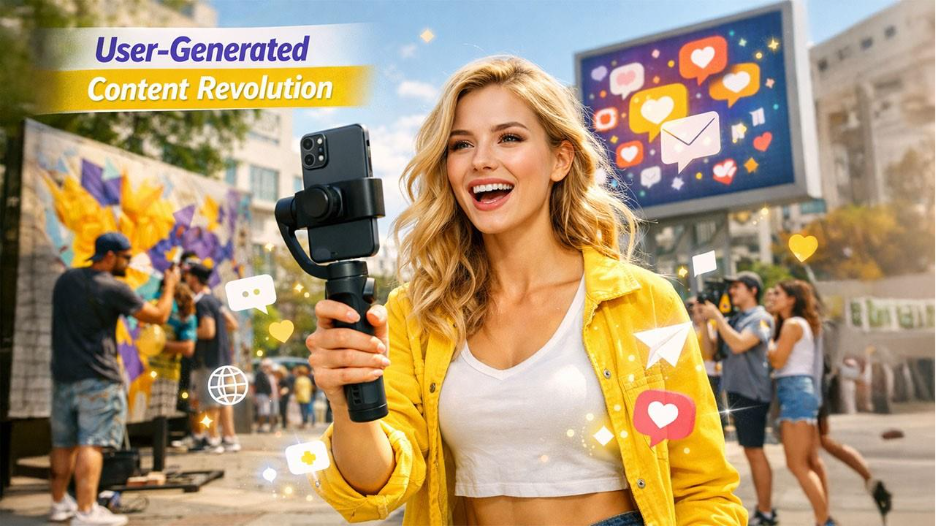
People are able to create content on social media platforms and share it with others. This content includes images, videos, articles, and opinions along with other creative works.
Additionally, platforms such as Instagram, Twitter, or Facebook allow people to express their ideas freely across the globe. Without using traditional media channels like newspapers or radio, social media enables users to reach a wide audience and be heard. This has democratized content creation which allows anyone to become a creator, influencer, educator, or entrepreneur. AI and social media have further streamlined this process, making content creation more accessible.
3. Community Building and Online Networking Opportunities
People can also form online communities using social media platforms where they can come together to share their hobbies, interests, professions, or causes. These communities provide support along with several collaboration and educational opportunities. It offers a safe and open space to take part in discussions, learn from others, and contribute meaningfully to conversations or topics of specific interests.
4. Role of Social Media in News & Information Distribution
The internet is arguably one of the fastest ways to access and keep up with the latest news or information. Many individuals around the world use social media platforms to keep track of global events, social activities, or the latest trends and developments.
The amount of information that can be accessed within seconds is amazing. An example would be millions of people having access to an event or news at the same time. However, there is an inherent risk associated with this rapid dissemination of information. With social media, even false or unverified information can be spread quickly, which can cause mass confusion.
5. Personal Branding and Professional Identity Development
Using social media platforms, individuals can also build and promote their personal brand, which increases their online presence. These platforms are used by businesses and professionals to disseminate knowledge, showcase their skills, and connect with people who share similar interests. This also creates numerous opportunities for career growth, possibilities for networking, and ways to increase visibility.
6. Impact of Social Media on Digital Economy
Social media plays a major role in the digital economy. Many businesses nowadays rely heavily on social media for customer service, marketing sales, and promoting their brand. Entrepreneurs and creators generate income through advertising, sponsorships, and online sales. Leveraging social media automation tools can help businesses scale their efforts efficiently. It has also paved ways for new careers such as content creators, influencers, and digital marketers.
7. Educational Benefits and Online Learning Opportunities
Social media has become popular for educational purposes. Many content creators, influencers, or professionals share tutorials, courses, expert advice, and educational content, making it accessible to audiences. These different types of content help students and learners stay updated in their fields, learn new skills every day, and engage with meaningful and valuable content. It has become a powerful tool for self-learning and professional development.
8. Importance of Social Media Marketing for Businesses
Many businesses utilize social media for promoting their products, building brand identity, and engaging with customers. It helps organizations target global audiences, interact directly with consumers, and track behaviors through analytical tools to understand the needs of their existing and potential customers. Strategies like social proof in marketing have become increasingly effective on these platforms. Social media marketing is cost-effective, and it allows businesses to target specific audiences based on their different interests, location, and demographics.
Risks and Challenges of Social Media
While there are numerous benefits to using social media, it also has its risks and challenges that can severely affect individuals and society as a whole. Comprehensive understanding of these risks can help users to use social media more responsibly and safely.
Mental Health Effects of Social Media Usage
Excessive use of social media can have a negative impact on mental health. Users often start comparing their lives with others' curated and idealized posts which can create inferiority complexes and set unrealistic expectations leading to emotional distress. Individuals can suffer from anxiety, depression, low self-esteem, and loneliness due to exposure to misinformation and harmful content.
Spread of Misinformation and Fake News
Spreading misinformation is one of the biggest challenges posed by social media today. Since there are no restrictions, anyone can share false or unverified content to create a buzz among people. This misinformation can cause confusion, poor decision-making, instill public panic, and can impact physical and social behaviors. This can also create echo chambers.
Privacy and Data Security Concerns
Security is the topmost concern in this rapidly growing digital world. Social media platforms collect personal data in large volumes. This creates privacy risks, including misuse of data, storing information without consent, identity theft, and unauthorized access to personal information. There are several users who are unaware of how their data is stored and used, which makes privacy protection a rising concern. These privacy risks can also affect personal relationships and employment opportunities.
Cyberbullying and Online Harassment Issues
Cyberbullying, harassment, and abusive behavior have become common on social media. People use artificial intelligence to create fake content that is harmful to other users. It can lead to emotional distress, anxiety, depression, and loss of self-confidence, especially in youngsters. This makes digital safety essential.
Social Media Addiction and Productivity Loss
Social media platforms are engaging and offer diverse content that can appeal to users. This can keep users engaged for a long time. They start spending excessive time scrolling through reels or chatting away, which can disrupt their daily life and productivity. Their addiction to social media leads to poor sleep quality, reduced focus or concentration, and might affect their real-life relationships too.
Negative Impact on Self-Image & Confidence
Social media set unrealistic beauty standards and promote idealized lifestyles. This often leaves people feeling bad about themselves and their quality of life. Exposing people to edited images and idealized lives constantly harms their self-confidence and the way they see themselves. This can create self-doubt and reduce self-esteem over time, especially in the younger generation.
Future of Social Media: Trends and Innovations
The future of social media is expected to be shaped by rapid technological innovation, evolving user expectations, and digital regulations. As technology advances, social media platforms are becoming smarter, more personalized, and more integrated into daily digital experiences.
AI-Driven Content and Personalization
Artificial intelligence is increasingly used to recommend content, detect harmful behavior, and improve user experience. AI-powered algorithms help deliver personalized feeds, automated moderation, and smarter search capabilities. In the future, AI-generated content and virtual influencers may become more common across platforms.
Growth of the Creator Economy
The creator economy continues to expand as more individuals monetize content through brand partnerships, subscriptions, and digital products. Social media is shifting from purely social interaction to a full economic ecosystem that supports entrepreneurs, educators, and independent creators.
Stronger Data Privacy Regulations
Governments worldwide are introducing stricter data protection and privacy regulations. Social media companies are expected to improve transparency in data collection, user consent policies, and security protections to meet regulatory requirements and build user trust in the near future.
As per View Global Social Media Usage Time Statistics, 41 minutes average daily time internet users worldwide spend on social media, showing how deeply these platforms are integrated into daily routines.
Conclusion
Understanding the key points about social media is essential in today’s digital world. Social media connects people, enables communication, supports businesses, and provides access to information and opportunities. At the same time, it comes with risks related to privacy, mental health, and misinformation.
When used responsibly, social media is a powerful tool that can enhance communication, learning, and growth. The key is to use it wisely, stay informed, and maintain a healthy balance between online and offline life.