






Selecting the best e-commerce platform can make or break your online business. While BigCommerce has catered to merchants well for years, numerous store owners are now in search of BigCommerce alternatives that provide simpler setup, effective flexibility in pricing, and robust integrations with the tools they use already. Irrespective of whether you are launching your first store or migrating from an available platform, assessing your options is the first step toward developing a storefront that genuinely supports your growth.
In this comprehensive guide, let us guide you through what BigCommerce is, why merchants search for alternatives, and which solutions are worth considering as per the size of your business, technical convenience, and lasting objectives.
Understanding BigCommerce- All the Basics You Need to Know
BigCommerce is a cloud-driven ecommerce platform that empowers businesses to create, manage, and grow online stores without requiring them to host their own servers. It provides built-in features like secure checkout, product catalog management, and marketing tools, making it a prominent choice for mid-level enterprise retailers.
Having said that, BigCommerce is not the right option for all businesses. A few merchants find its template customization options inadequate, while others face increasing pricing tiers that impact their revenue growth. This is precisely why researching BigCommerce alternatives has become a primary step for merchants who desire greater flexibility without compromising functionality.
Why do merchants research BigCommerce Alternatives?
Before you compare different tools, it is quite helpful to explore the prevalent reasons that make businesses switch platforms. Store owners generally cite the following reasons:
- Design and Template Limitations that make personalization restrictive as compared to new builders.
- Revenue-driven pricing tiers that can scale costs quickly as your store grows.
- A smaller app environment when you compare it with platforms with bigger third-party marketplaces.
- New features such as headless commerce support and AI-driven content tools are rolled out slowly.
- Inconsistent experiences in customer support which is evident from the reports of long-term users.
If any of the above pain points feel familiar, it might be worth assessing other e-commerce platform options that are available in 2026.
Best BigCommerce Alternatives You Can Consider in 2026
In this section, let us list the most popular BigCommerce alternatives on the market today, along with who each is best suited for.
1. Shopify:
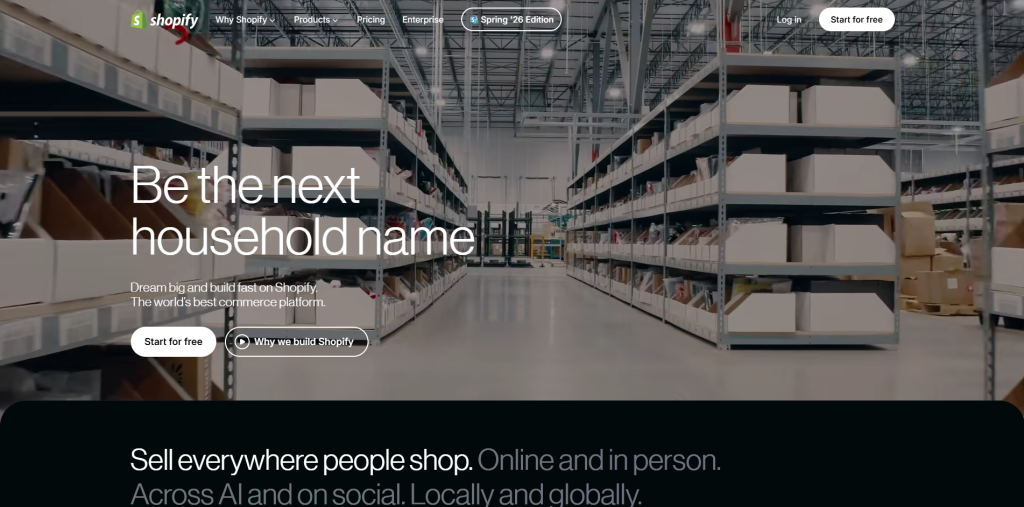
When it comes to top BigCommerce alternatives, Shopify has to top the list due to its clean interface and wider app marketplace. It provides support to everything ranging from simple listings of products to digital downloads and subscriptions. Merchants gain access to built-in payment processing, mobile-optimized checkout, and AI platforms for creating product descriptions. The caveat is that intensive customization of URL structure for SEO can be restrictive, and stacking numerous paid apps can increase monthly expenses.
Read More: Which is better, BigCommerce or Shopify? Check out our detailed blog to learn more.
2. Salesforce Suites (Commerce):
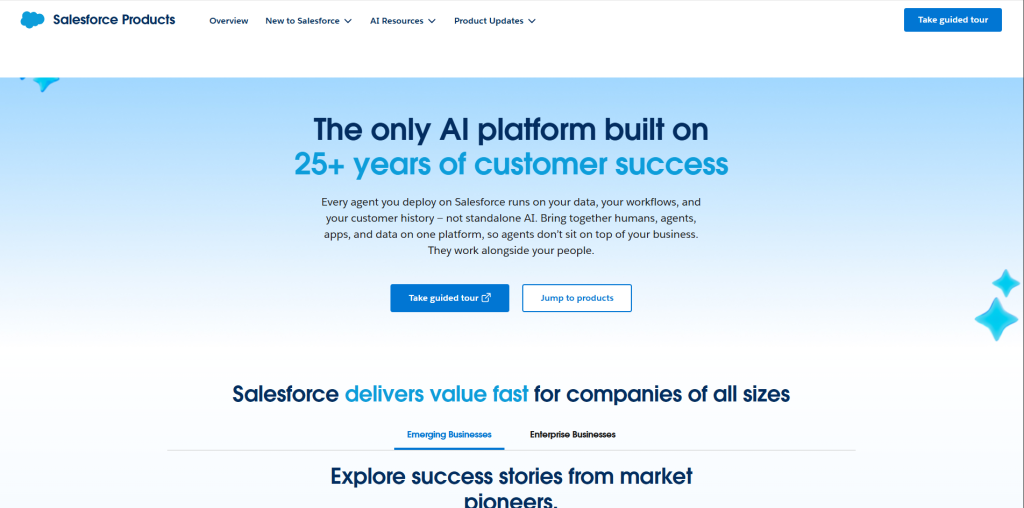
For businesses that need their storefront to associate with customer relationship data closely, Salesforce Suites emerges as a top contender. It connects your digital store to customer relationship management tools, providing service, sales, and commerce teams with a centralized view of customer activity. The platform entails a drag-and-drop storefront builder, AI-driven product suggestions, and the capability to scale into more sophisticated Commerce Cloud tools as your business scales.
Read More: If you are curious to learn how CRM aligns with the sales and support strategy of your digital store, you can explore our detailed guide on CRM for E-Commerce Businesses.
3. Wix eCommerce:
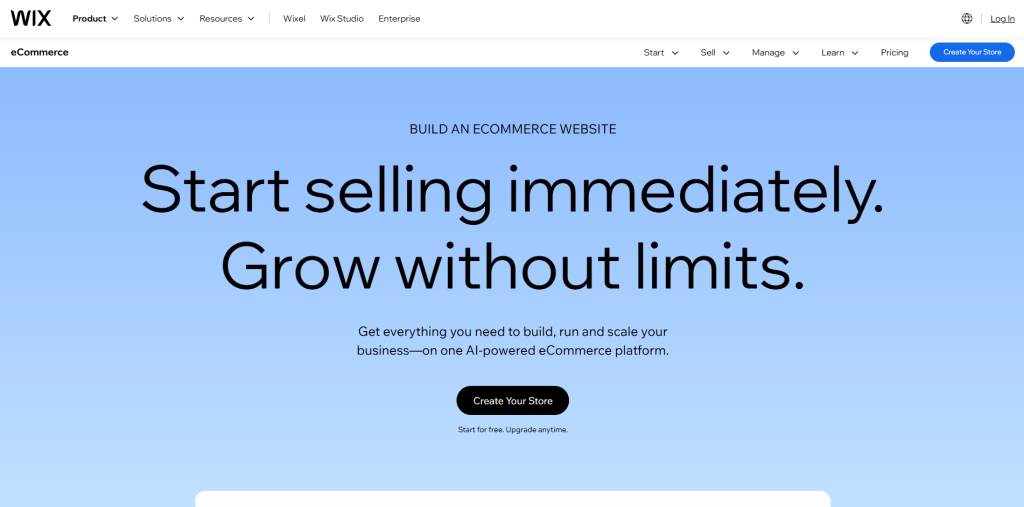
Wix is a top choice for starters and small catalogs. Its drag-and-drop functionality makes sure that you do not need any coding knowledge to get started. Furthermore, the built-in AI site generator can create a working store in just a few minutes. Wix also integrates blogging, email marketing, and standard SEO controls in a single plan. It is created for big product catalogs; however, the app store is smaller than market-leading platforms.
4. Squarespace:

Squarespace is best known for its polished, design-forward templates, which make it a favorite among service providers, boutique brands, and creatives. It has expanded its commerce features to include memberships, bookings, and recurring payments. However, inventory management remains essentially basic, so it is not an ideal option for merchants handling hundreds of SKUs with complex variants.
5. WooCommerce:
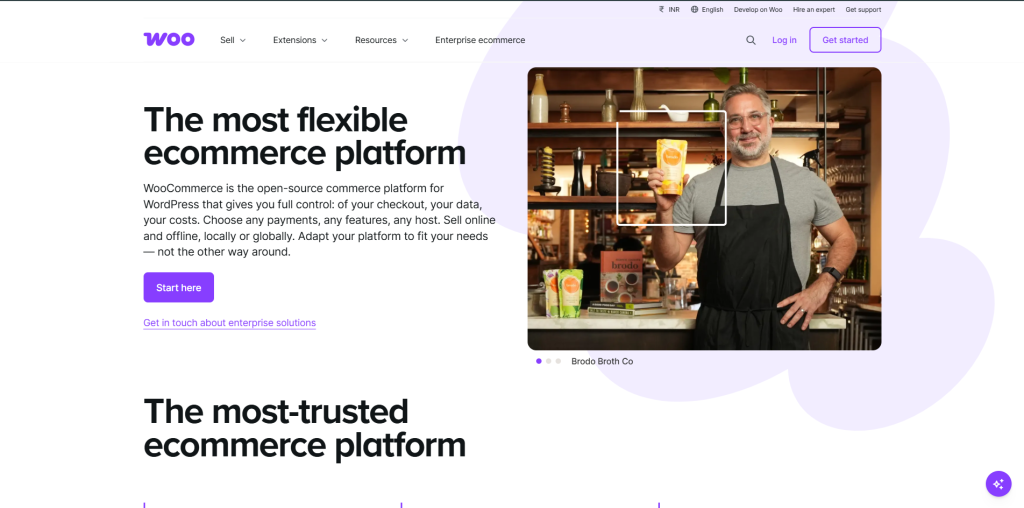
For organizations running a WordPress website already, WooCommerce generally emerges as the next natural step. As a plugin instead of a standalone solution, it converts a live website into a fully functional e-commerce store. It benefits from a wide open-source developer community and budget-friendly pricing since you only have to pay for the extensions and hosting you genuinely need. The demerit is that you hold responsibility for your own security, hosting, and current maintenance.
6. Adobe Commerce (formerly Magento):
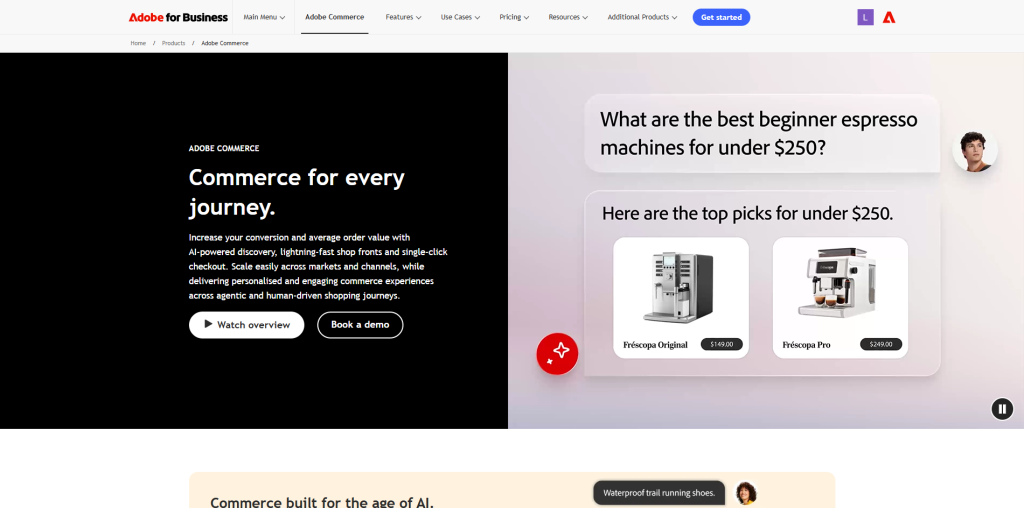
Adobe Commerce is developed for businesses with enterprise-level and complex requirements. It provides support for different storefronts from a single back end, sophisticated SEO controls, and in-depth personalization options. This makes it extremely effective, but it generally needs a technical or development team to handle maintenance and setup. Thus, it might not be the right fit for smaller companies without resources for development.
7. Ecwid:
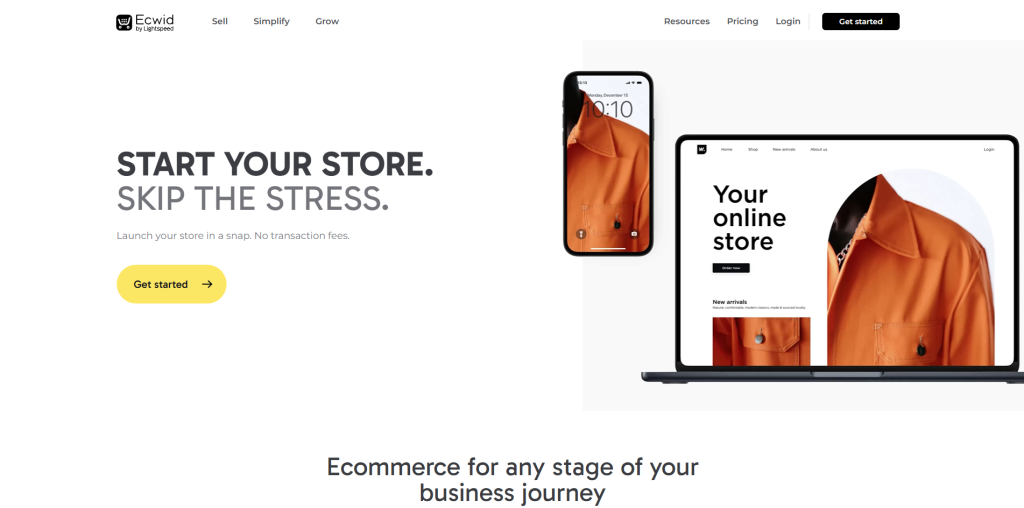
Ecwid is specialized for merchants who already have a website and simply need to add a store without a complete rebuild. It incorporates Webflow, WordPress, and simple HTML websites and provides a free plan for platform testing with a smaller catalog of products. It is a complete website builder, though, so organizations requiring advanced content or blogging tools will have to look elsewhere.
How to Select the Best Platform for Your Organization?
With numerous BigCommerce alternatives available, the best choice depends a lot on a few important factors:
Growth Trajectory and Business Size- Enterprise brands require distinct tools from a solo entrepreneur just kickstarting their journey.
- Technical resources — Platforms such as Adobe Commerce need developer support, while Shopify and Wiz prove to be more self-serving.
- Available Tech Stack — If you utilize a CRM or run a WordPress website, solutions such as WooCommerce and Salesforce Suites may be more natural choices.
- Budget Structure — Consider whether revenue-driven tiers or monthly pricing are better options for your cash flow.
- SEO and Content Requirements — A few platforms provide more granular control over URL structures as well as blogging than others.
Taking some time to map such factors against your business objectives can enable you to avoid the trouble of switching tools again in the future.
Conclusion
There is no one universally right platform for each business. Picking the right option among the BigCommerce alternatives depends a lot on how big your product catalog is, how much tech support you currently have, and how closely you require your storefront to be connected with your business platforms. Wix and Shopify help merchants who need a quick, self-serve setup, while WooCommerce is the right option for WordPress-based brands.