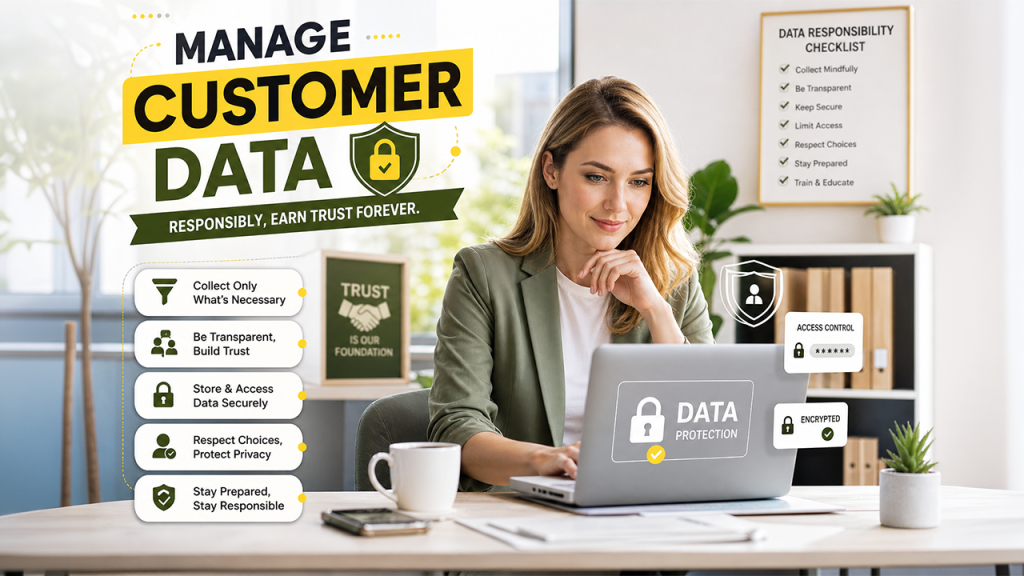






If you’re a business owner in the modern age, chances are high that you’re collecting customer data of some kind.
This could be emails, purchase history, or even just website activity. This information is useful for improving your product and knowing your customer base; however, it also comes with a level of responsibility.
Customer data management isn’t only about following the rules and regulations – it’s also about creating a level of trust. When a customer feels that a company is handling their data correctly, they’re more likely to stick around.
So, how do you do this? Let’s take a look at some simple and practical steps to do so.
Collect Only What’s Needed
It’s very easy to get into the mindset of collecting as much data as possible. The more data collected, the better, right? Not exactly. The more data collected, the more data that needs to be protected.
So, before collecting any data, ask yourself a simple question:
Do I need this information to provide my services?
If the answer is no, don’t do it. Keep things simple and don’t ask for information that isn’t strictly necessary. This will not only make things easier, but also make it less stressful for the customer to give out information.
Be Clear About How Customer Data is Used
Customers don’t like surprises. This is especially true when it comes to data and information. Therefore, if a company is collecting data, it’s imperative that they’re clear about how and why it’s being done.
However, this doesn’t mean having to write a novel about data and information. Keep it simple and to the point. Here are some ideas:
- Tell customers what’s being collected.
- Explain why it’s being collected.
- Show how it benefits them.
Transparency is the building block for trust, and trust is what drives people to return.
Store Data Safely
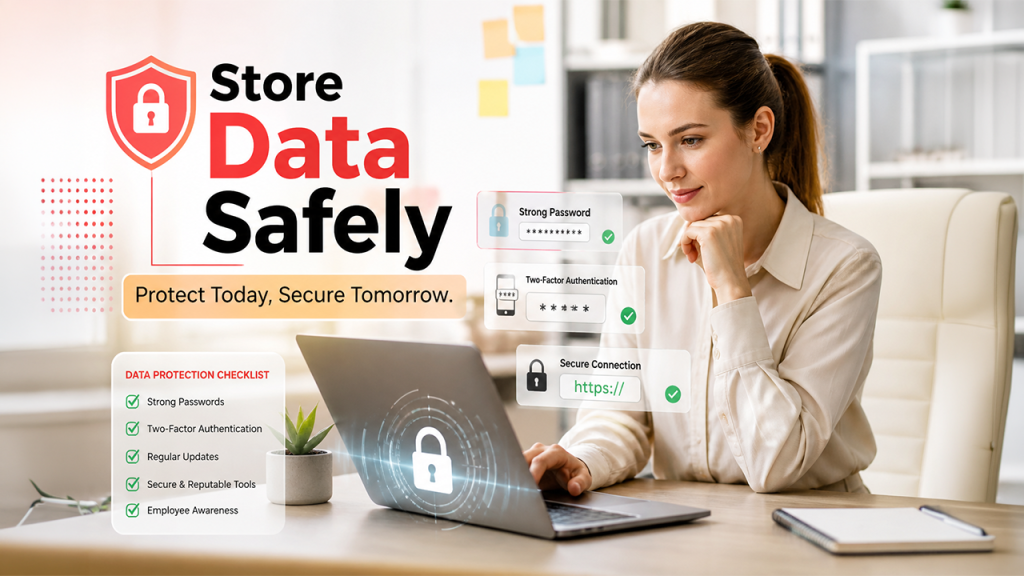
After you’ve collected your customer data, it’s important to ensure it remains safe. It doesn’t have to be overly complicated, but it’s important to take it seriously.
Make sure your entire business uses strong passwords, two-factor authentication, and remember to regularly update your tools and software. Additionally, ensure the tools you’re using are secure and reputable.
Even if you’re a small business – and perhaps even more so –you can still be targeted, so don’t assume you’re safe.
Limit Who Has Access
Not everyone in your business needs access to your customer data. The more people who can access it, the greater the risk.
Only allow people to access it if they really need it to perform their duties, and make sure there’s a track record of who accessed what, and when. It’s important to stay organized and reduce the risk of anything going wrong.
Additionally, it’s important to remain accountable. You’ll know exactly who’s using it for what.
Keep Your Data Organized
Unorganized data isn’t only a burden – it’s also risky. It’s much harder to ensure your data’s safe if you don’t know where it’s stored or being used.
Treat your database like it’s a trusted source of information for your business.
Eliminate data you no longer need. There’s no point in keeping data you no longer use. Outdated or duplicate records are just as risky as a data breach; regular CRM data cleaning keeps your database accurate and your decisions trustworthy.
Respect Customer Choices
Your customers should be in control of their own data. So, if they want to unsubscribe to your emails, it should be easy.
Don’t hide these options and make them difficult to find. Respecting these options is a clear demonstration of your respect for your customers, not just your customers’ data.
You should also offer options to your customers. For instance, offer them options on the kind of emails they wish to receive.
Be Aware of the Growing Demand for Data Privacy
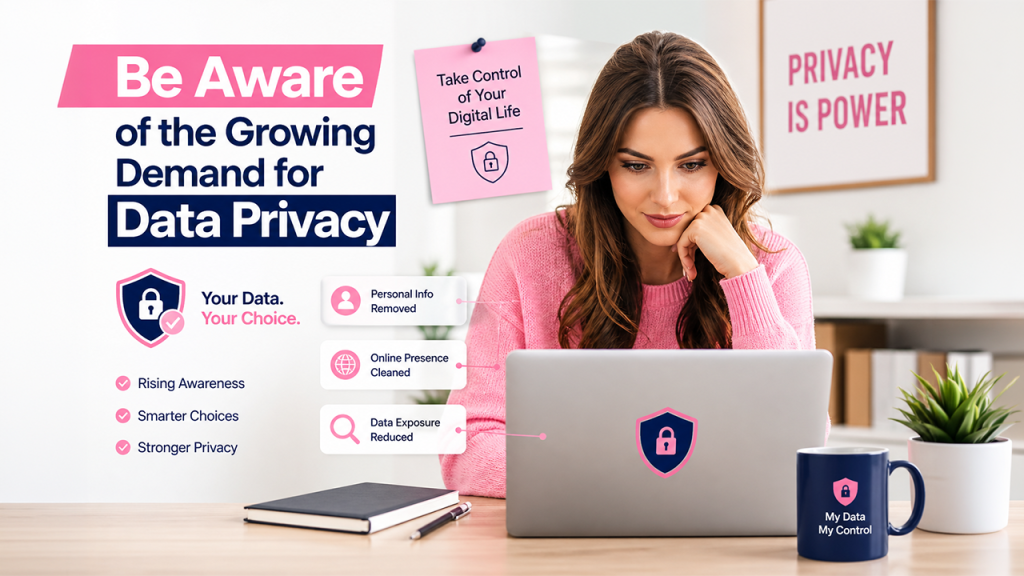
People are more aware of data privacy than ever before. This is clear from the growing number of tools and services created to help them take control of their data.
The rise of data removal tools such as Incogni shows a growing demand and awareness of data privacy.
Many people now look for a reliable information source to understand how these services work before deciding to use them. Customers are paying attention to this, and you should do the same. If your data use feels careless or outdated, customers will notice. Ensuring data safety constitutes the main part of customer data management.
Have A Plan for Emergencies
Despite taking precautions and being careful about data use, problems can still happen. The key is to have a contingency plan for these problems.
Have a clear, simple plan in place for handling any issues related to customer data – without one, even small problems can massively escalate very quickly. This plan should include:
- Detecting and assessing the issue promptly, so you understand what happened and how serious it is.
- Communicating with affected users when appropriate, providing clear and timely information about the situation.
- Resolving the issue and addressing its root cause to prevent similar incidents in the future.
It’s essential to be prepared so that you can handle the situation calmly instead of doing it in a state of panic.
Train Your Team
Your team is a big part of your customer data management. Even the best data management system can go wrong if your team doesn’t use it correctly.
It’s very important to take some time to educate your team on the basics of data management. It doesn’t have to be complicated. Just remember the key concepts:
- Protecting data.
- Not sharing data unnecessarily.
- Identifying possible risks.
This way, your entire data management system will work better.
Make Responsibility Part of Your Brand
When you take care of your customers’ data, they’ll take notes. It means you care for your customers not only as customers, but also as human beings.
This will lead to a better relationship in the future. And in a world where trust is everything, this can be what sets your business apart.