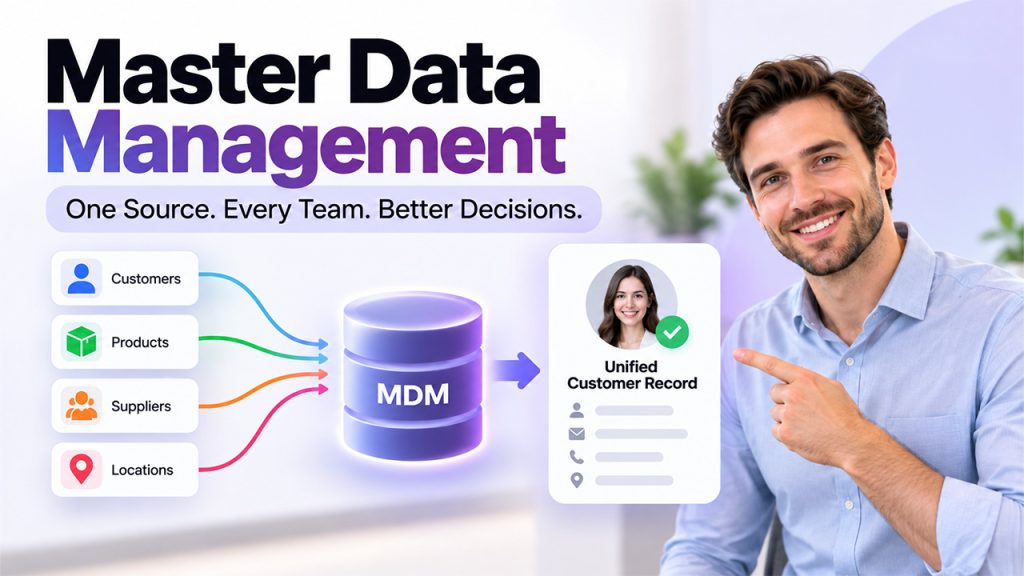






The guide explores what is big data, what some of its key features are, how it works, the role of big data technology, and how businesses can use big data analytics to turn raw information into valuable insights.
In the current digital landscape, businesses generate and collect a large amount of information every single day. From online shopping and social media interactions to customer transactions and website visits, data has become a crucial part of every modern business operation. However, collecting data is the beginning of the process. Organizations also need effective ways to store, process, analyze, and use information to make better decisions. This is where big data offers its capabilities.
The main question that arises is, "What is big data?" and why businesses need it. Understanding big data can help organizations identify customer preferences, improve operational efficiency, discover new business opportunities, and make data-driven decisions.
What is Big Data?
Big data typically refers to extremely large, complex, and rapidly growing datasets that traditional data management tools might struggle to store, process, and analyze efficiently. These datasets can include various structured information, such as customer names, transaction records, and sales figures. They can also include unstructured information, such as images, videos, emails, social media posts, and customer reviews.
Unlike traditional datasets, big data generally requires advanced technologies and specialized software to manage information at a larger scale. Big data software is not just about collecting a large volume of information, but about processing that information effectively and extracting insights that support meaningful business outcomes.
For instance, an e-commerce business might collect millions of customer interactions, purchases, website clicks, and feedback records. Analyzing this large-scale information can help businesses better understand customer behavior, identify popular products, and improve their shopping experience.
Benefits of Big Data
Big data offers key benefits to businesses by enabling them to analyze large amounts of information, understand customer behavior, improve operational efficiency, and make better decisions.
Some of the key benefits of big data are listed below:
- Better Decision Making
One of the major advantages of big data is that it enables businesses to make informed decisions that are based on data, rather than assumptions. By analyzing historical records, current performance, and market trends, organizations can identify patterns and evaluate different business strategies.
Effective data management practices, including How to Manage Customer Data, can help organizations maintain reliable information and build a stronger foundation for innovation.
- Improved Customer Experience
Big data helps businesses understand customer preferences, purchasing habits, feedback, and interactions across different channels. These insights allow organizations to provide more personalized services and relevant product recommendations.
A well-organized Customer Database helps businesses centralize customer information, understand purchasing behavior, and deliver more personalized experiences.
- Increased Operational Efficiency
Big data analytics enables organizations to identify inefficiencies, reduce unnecessary expenses, and optimize everyday business operations. By analyzing employee productivity, equipment performance, delivery routes, and resource utilization, businesses can explore areas where processes can be improved.
- Better Customer Retention
Understanding why customers remain loyal or stop purchasing is crucial for long-term business growth. Big data allows organizations to analyze customer behavior, purchase frequency, complaints, and engagement patterns to identify customers who may be at risk of leaving.
What are the 5 Vs of Big Data?

The 5 Vs of big data are commonly used to explain its major characteristics. These help businesses understand why managing large datasets requires more than a traditional data storage system.
- Volume
Volume refers to the amount of data generated and collected by organizations. Businesses may store millions of records from websites, applications, transactions, sensors, and other sources. Managing this information usually requires scalable storage solutions and efficient processing systems.
- Velocity
Velocity describes the speed at which the data is generated, collected, and processed. Businesses need to analyze information almost immediately to respond to changing conditions.
- Variety
Variety refers to the different forms of data organizations collect. These might include structured data, semi-structured data, and unstructured data. Businesses need suitable tools to combine and analyze these different data formats.
- Veracity
Veracity refers to accuracy, reliability, and quality of data. Incorrect, outdated, duplicate, or incomplete information can lead to misleading conclusions. Businesses should therefore establish data validation, cleaning, and quality control processes.
- Value
Value represents the useful insights and benefits that an organization gains from its data. The real benefit of collecting data comes from using that information to solve problems, improve customer experiences, reduce costs, or discover growth opportunities.
How does Big Data Work?
The working process of big data generally involves the following steps:
- Step 1: Data Collection
The process of big data begins by gathering information from different sources, which include websites, mobile applications, CRM systems, sales platforms, customer surveys, and connected devices.
- Step 2: Data Storage
After data collection, the information is stored in a suitable environment. Organizations can use cloud storage, data lakes, distributed databases, or data warehouses.
- Step 3: Data Processing
Raw data generally contains duplicates, errors, inconsistent formats, or missing values. Processing the data helps in cleaning, organizing, and transforming the information into a usable format.
Businesses can also use Cloud Based CRM Platforms to centralize customer information, track interactions, and create more effective, data-driven marketing campaigns.
- Step 4: Data Analysis
After the data is prepared, analytical tools identify patterns, relationships, trends, and anomalies. Businesses may use statistical methods, machine learning, reporting tools, and visualization platforms to understand what the data reveals.
- Step 5: Decision-Making
The final stage involves applying insights into real business challenges.
What is Big Data Technology?

Big data technology refers to the tools, platforms, infrastructure, and techniques that are used to collect, store, process, and analyze large and complex datasets.
Some common categories of big data technology include:
- Distributed Storage Systems: Store large datasets across multiple machines or storage resources.
- Data Processing Frameworks: Process large volumes of information in parallel.
- Cloud Computing Platforms: Provide flexible computing power and storage as business requirements change.
- Data Integration Tools: Combine information from multiple sources into consistent datasets.
- Analytics and Visualization Tools: Help users interpret information through reports, dashboards, and charts.
- Machine Learning Platforms: Identify patterns and support predictions using historical and incoming data.
Real-World Applications of Big Data
Big data is generally used across many industries, mainly to improve services, identify risks, and support business decisions. Some of the key industries that benefit from big data are as follows:
- Healthcare
Healthcare organizations utilize big data to analyze medical records, diagnostic information, and operational data to identify trends, improve resource planning, and support research.
- Retail and E-Commerce
Retail businesses use purchase histories, browsing behavior, inventory information, and customer feedback to improve product recommendations, forecast demand, and optimize stock levels.
- Banking and Finance
Financial institutions analyze transaction patterns to identify potentially fraudulent activities, assess risks, and improve financial services.
- Manufacturing
Manufacturers use sensor data and equipment performance records to predict maintenance requirements, reduce downtime, and improve production efficiency.
- Marketing and Customer Relationship Management
Marketing teams analyze customer interactions to understand preferences, measure campaign performance, and improve customer segmentation.
Conclusion
Big data has become an essential resource for businesses looking to improve decision-making, understand customer behavior, and increase operational efficiency. By understanding what is big data and its 5 Vs, businesses can turn large amounts of raw information into valuable insights. With the right big data technology, analytics tools, and effective data management practices, organizations can easily identify new opportunities, enhance customer experiences, and support long-term growth.
Frequently Asked Questions
Big data helps businesses improve decision-making, understand customer preferences, optimize operations, reduce costs, and identify new growth opportunities.
Big data analytics is the process of analyzing large and complex datasets to identify patterns, trends, relationships, and useful insights.
Big data is commonly categorized into three types: structured, semi-structured, and unstructured data. Structured data includes organized database records, semi-structured data includes JSON files and application logs, and unstructured data includes images, videos, emails, and social media posts.
Small businesses can use big data to analyze sales trends, understand customer preferences, measure marketing performance, forecast demand, and improve inventory management.