





These days, brands are increasingly looking to micro-influencers to build genuine connections with their audiences. These influencers, with smaller but more engaged followings, are particularly effective at driving trust and generating real results. However, with the rise of micro-influencer marketing, finding the right platform to manage these campaigns is more important than ever.
Choosing the right micro-influencer marketing platform is extremely important for ensuring your campaign runs smoothly. The right platform should help you connect with the appropriate influencers, track the performance of your campaigns, and scale effectively.
Define Your Campaign Goals
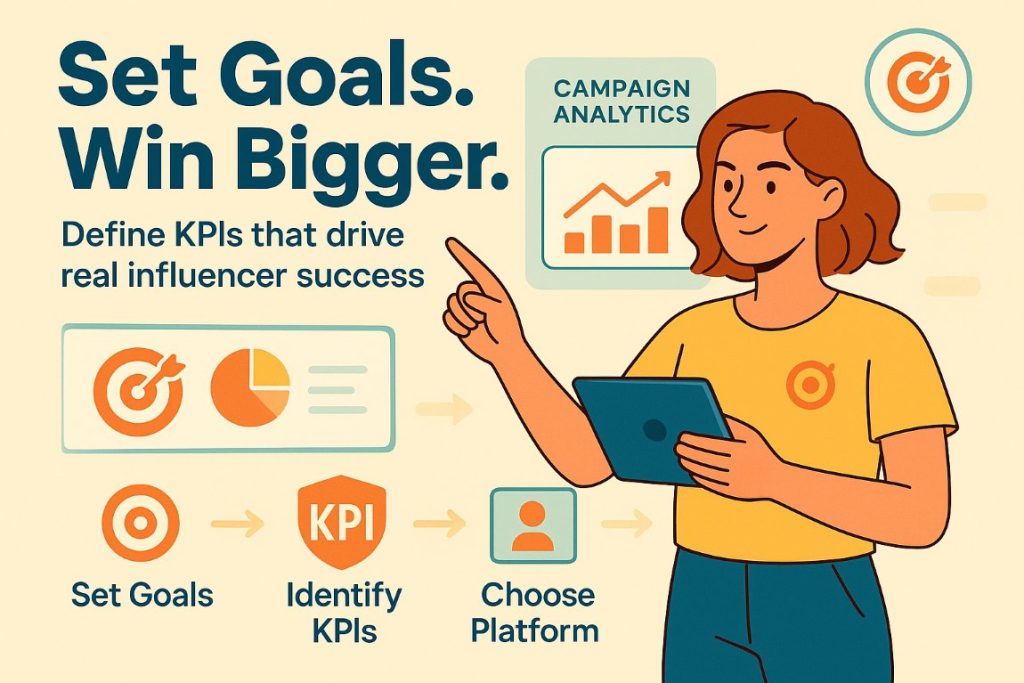
Before you even begin searching for a micro-influencer marketing platform, it’s important to have a clear understanding of what you hope to achieve with your campaign. Whether you’re aiming to increase brand awareness, drive traffic, boost sales, or enhance engagement, your goals will influence the platform you choose.
A micro-influencer marketing platform should support your specific objectives. If your goal is to raise brand awareness, you’ll want a platform that offers tools for identifying influencers with the right audience reach. If you're focused on driving sales, you’ll need detailed performance tracking and influencer conversion data.
Take the time to identify your key performance indicators (KPIs) before selecting a platform. Whether it’s tracking clicks, sales, social media mentions, or engagement rates, knowing your KPIs will help narrow down your choices and ensure you choose a platform that provides the right tools for tracking success while also giving you a clearer understanding of what marketing is and how performance is measured effectively.
Evaluate the Influencer Discovery Engine
A good micro-influencer marketing platform should make influencer discovery easy and efficient. Look for platforms that offer powerful search filters, allowing you to find influencers based on key factors such as audience size, engagement rates, demographics, and content style.
The more refined the platform’s discovery tools are, the easier it will be to connect with influencers who truly align with your brand values and target audience. Some platforms even offer AI-driven features that help identify influencers with the highest potential for driving engagement, which can be a huge time-saver.
Make sure the platform gives you a clear view of each influencer’s previous campaigns and performance metrics, so you can assess whether they’re a good fit for your goals.
Assess Campaign Management Features
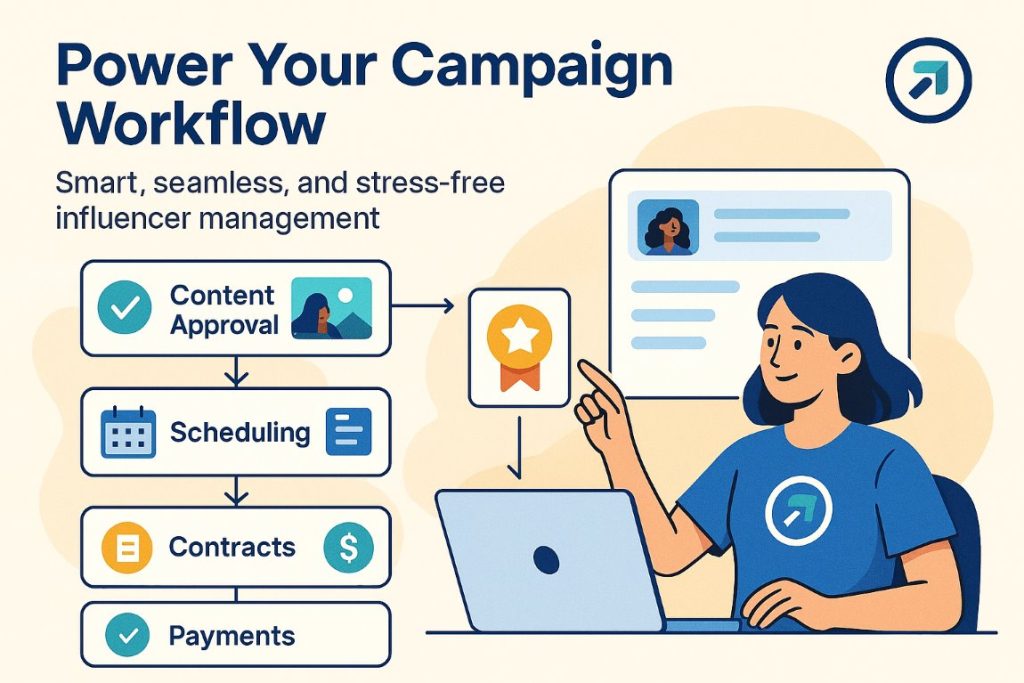
Effective influencer campaign management goes beyond simply connecting with influencers; it involves collaboration, content approvals, and performance tracking. Integrating with marketing automation solutions can make these processes seamless. The platform you choose should allow you to manage these tasks in one place.
Key features to look for include:
- Content Approval Workflows: Streamline the approval process for influencer content, ensuring that all posts align with your brand guidelines before going live.
- Scheduling Tools: Manage content posting schedules across multiple influencers, ensuring consistency and the timely delivery of your campaign.
- Influencer Contracts and Payment Processing: A platform that handles contracts and payments makes the process smoother for both you and the influencers, ensuring transparency and efficiency.
When these elements are in place, influencer campaign management becomes much easier, allowing you to focus on building strong, lasting relationships with your influencers.
Analyze Analytics and Performance Tracking
Data is key in any marketing campaign, and micro-influencer marketing is no different. A platform that offers detailed analytics and performance tracking is essential for measuring the effectiveness of your campaigns.
You should be able to monitor:
- Engagement Rates: See how your influencers’ audiences are interacting with the content.
- Conversion Metrics: Track how influencer promotions translate into actual sales, website visits, or other desired actions.
- Audience Demographics: Ensure your campaign is reaching the right people by analyzing audience data.
Real-time analytics provide the flexibility to adjust campaigns on the go. If something isn’t working, you can make changes and optimize elements before the campaign concludes, rather than waiting until after it ends to fix a problem.
Check Integrations and Tech Stack Compatibility
When selecting a micro-influencer marketing platform, it’s crucial to check if the platform integrates with your existing marketing stack. You don’t want to end up with a platform that operates in a silo, requiring you to manually transfer data between systems.
Look for platforms that integrate with:
- CRM systems: This helps track influencer interactions and customer engagement in one place.
- E-commerce platforms: If you’re looking to track sales conversions from influencer campaigns, integration with your e-commerce system is essential.
- Social media management tools: Seamlessly connect with social media platforms to manage posts, monitor interactions, and analyze influencer content performance directly within your tech stack.
The more integrated your platform is, the less time you’ll spend managing data manually, and the more efficient your campaigns will be.
Compare Pricing Models and Total Costs
Price is an important factor in any decision you make. When evaluating platforms, look beyond the base price and consider the total cost, including any hidden fees or additional charges for advanced features.
Some platforms offer tiered pricing based on the number of influencers or the level of campaign support you need. Others may offer pay-as-you-go pricing for smaller campaigns. It's important to assess what your budget will cover and whether the platform provides value at each pricing level.
Ask yourself:
- Does the pricing model fit your campaign goals?
- Are there any additional costs for premium features, like influencer discovery or detailed reporting?
- Does the platform offer scalability, meaning it can grow with your business?
Being clear on your budget and the platform's pricing structure will help you avoid surprises later on.
Review Support, Onboarding, and Reputation
When adopting a new platform, excellent customer support and smooth onboarding are crucial for a successful campaign. Make sure the platform you choose offers comprehensive onboarding and training resources to help you get up to speed quickly. This could include tutorials, webinars, and customer support teams available to assist when needed.
Additionally, take the time to review customer feedback and the platform’s reputation in the industry. Look for platforms with positive reviews and testimonials from brands or agencies similar to yours. A platform with a solid reputation for customer service and reliable tools can save you a lot of headaches during the campaign.
Run a Pilot Campaign Before Committing
Before fully committing to an influencer campaign management platform, consider running a small pilot campaign to test its capabilities. A trial run will allow you to assess the platform’s usability, effectiveness, and whether it truly meets your needs.
During the pilot, pay attention to how easy it is to discover influencers, manage campaigns, and track performance. Evaluate how the platform integrates with your other tools, and see if the support team is responsive to any issues or questions that arise.
Running a pilot campaign helps minimize risk and ensures that the platform you choose is a good fit for your long-term needs.
Final Thoughts
Choosing the right micro-influencer marketing platform can make or break your influencer marketing efforts. By defining your goals, evaluating platform features, and conducting a pilot campaign, you’ll be well on your way to finding the platform that works best for your brand.
Platforms like Mention Me, with their combination of influencer discovery, campaign management tools, real-time analytics, and seamless integrations, provide a comprehensive solution for scaling micro-influencer marketing efforts.
When you choose the right platform, influencer campaigns become a strategic tool for building deeper connections with your audience, increasing ROI, and driving growth.