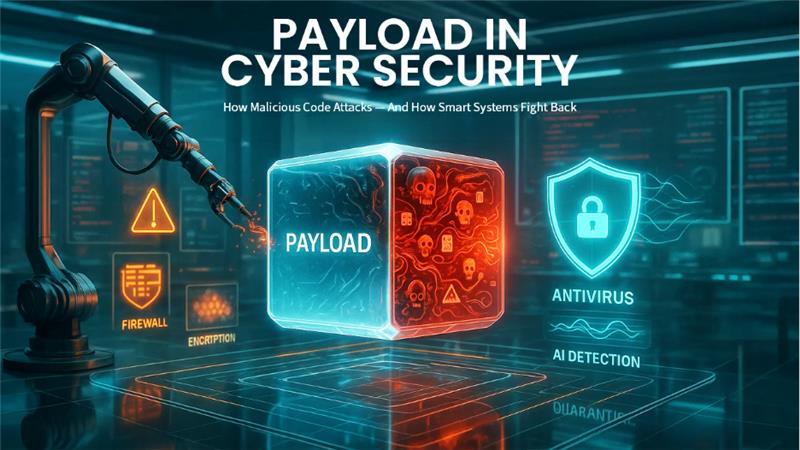




We’re living in a time when nearly everything—our jobs, finances, and social interactions are revolving around digital data. With so much of our lives tied to data, safeguarding it has become more crucial than ever. That’s where data security controls come into play. They act as shields that protect our online existence from potential threats. Imagine them as the locks on your doors, the alarms on your windows, and the security personnel watching over your home.
Let’s dive into what these controls really entail, why they’re so important, and how any organization can create an effective security strategy that doesn’t bog down productivity or turn the workplace into a bureaucratic maze.
What Are Data Security Controls?
In simplest terms, data security control is any measure—a policy, a tool, or a procedure that helps protect data and systems from various threats. This could mean stopping unauthorized access, spotting suspicious behavior, or ensuring that data can be restored if something goes wrong.
When you put them together thoughtfully, security controls help ensure data remains:
- Confidential — Only those who should access it can do so.
- Accurate and trustworthy — It’s not tampered with or corrupted.
- Available when you need it — Even if something goes wrong.
This trio is often called confidentiality, integrity, and availability and forms the foundation of any good data protection strategy.
But it’s not just about firewalls or antivirus software. Security controls span across the physical, technical, and organizational layers from who gets keys to a server room, to what software version your systems run, to whether employees know how to spot a phishing email.
Why Data Security Controls Are Essential for Modern Businesses
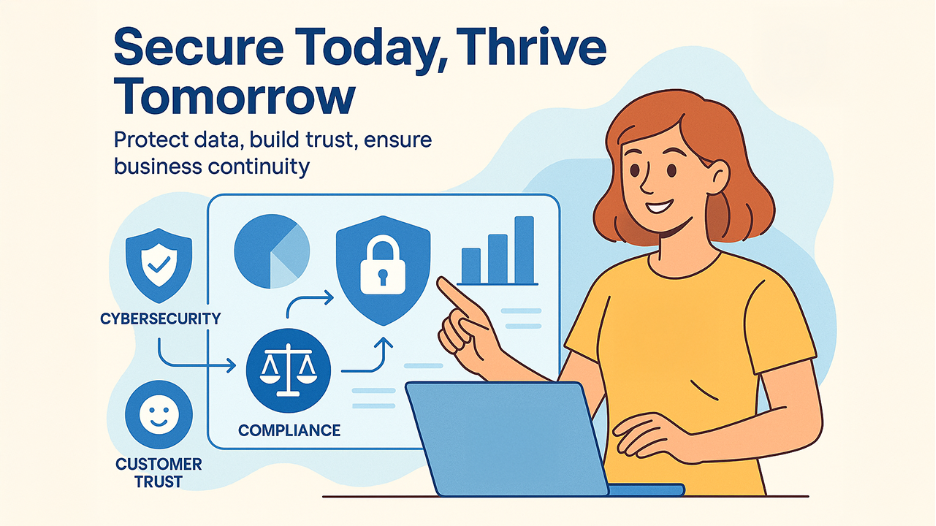
As digital operations continue to grow, businesses face increasing risks from cyber threats, regulatory scrutiny, and rising customer expectations for data protection.
Growing Cyber Threats and Data Breach Risks
The surge in cyber threats is hard to ignore. Attacks are becoming more common and advanced. Cybercriminals are quick to take advantage of vulnerabilities like weak passwords, outdated software, and insecure file sharing to break into systems and either steal or wipe out data. As more of our lives shift online, the risks just keep increasing.
Regulatory Compliance and Legal Responsibilities
On the regulatory front, laws and regulations concerning data privacy and protection are becoming stricter all over the globe. Companies need to show that they’re serious about security, or they could end up facing hefty fines, legal issues, and damage to their reputation.
Customer Trust and Business Continuity
When it comes to customers, partners, and employees; trust is the key ingredient that often goes unnoticed. Data breaches can hit your finances hard, but they also lower the confidence people have in you. Having strong security measures in place not only helps keep things running smoothly but also preserves trust. This is especially critical when managing customer data in CRM systems, where sensitive personal and business information requires robust protection.
Types of Data Security Controls That Protect Your Systems
When it comes to effective data protection, it’s not about finding a single magic solution. Instead, it’s about blending various controls such as physical, technical, and organizational that work together to create a robust defense:
Physical Data Security Controls and Access Protection
Even in our digital age, physical access is still crucial. It’s essential to secure servers, storage devices, and backup hardware. Without basic physical security measures like locks, access controls, and surveillance; even the most advanced software defenses can be easily compromised.
Technical Data Security Controls and Cyber Protection
These are usually the first things that come to mind when people think of “cybersecurity.” Tools like encryption, firewalls, secure authentication, and vulnerability scanning are designed to keep attackers out and help identify any unusual activity when things go awry. For businesses using CRM platforms, solutions like SuiteCRM Data Encryption provide an additional layer of protection for sensitive customer information stored within these systems.
Administrative Security Controls and Employee Awareness
Having the right tools isn’t enough on its own. Employees must grasp what’s at stake. Strong security measures include clear data-handling procedures, awareness training (like recognizing phishing attempts and practicing secure password habits), and incident-response protocols. A simple mistake like clicking on a phishing email can undermine all technical protections.
Layered Security and Defense-in-Depth Strategy
Instead of relying on just one security measure, the best protection comes from multiple overlapping safeguards. If one layer fails, the others are still there to protect you. This layered strategy is widely recognized as a best practice.
Data Security Controls Across the Data Lifecycle
Data security should accompany information throughout its entire journey; not just when it’s stored.
- While collecting data: ensure that the capture process is secure and that consent is clearly communicated.
- When storing or processing data: implement strong encryption, manage access carefully, and keep an eye on potential vulnerabilities.
- During sharing or external integrations: only provide the minimum necessary permissions and verify that their systems align with your security standards.
- When archiving or deleting data: follow secure protocols to prevent old data from becoming a liability.
This lifecycle view keeps security from being an afterthought and embeds it naturally into business operations.
Common Challenges in Implementing Data Security Controls
Establishing robust data security measures is often easier said than done. Here are some common challenges organizations frequently encounter:
Budget limitations and resource constraints: Security tools, audits, and ongoing monitoring can come with a hefty price tag. Smaller companies often struggle to find funds to cover everything they wish they could implement.
Legacy infrastructure or outdated systems: Older systems may not be compatible with modern security solutions like encryption or stringent access controls. Upgrading everything at once can be a daunting task.
Lack of awareness or training: The strength of security measures relies heavily on the people who use them. Without adequate training or a culture that promotes responsibility, human error can become the weakest link.
Rapid technological change and cloud migrations: As organizations swiftly adopt cloud services or new digital tools, security planning often falls behind. This can lead to misconfigurations or security gaps that pose significant risks.
Complex compliance landscape: With multiple laws, standards, and frameworks depending on region and industry; it can be challenging to pinpoint the exact controls needed and how to implement them effectively.
Best Practices for Building Strong Security Without Slowing Growth
Security doesn’t have to slow you down. You can enhance your data protection in ways that fit right into your everyday workflow. Here’s how to do it:
- Adopt a risk-based approach: focus on securing what’s truly important, like sensitive customer information, financial records, or critical systems instead of trying to secure everything at once.
- Use layered security: mix physical, technical, and organizational measures so that if one layer fails, others are there to back you up.
- Keep systems up to date: regular updates and patches can seal off vulnerabilities before attackers have a chance to take advantage.
- Build a security-aware culture: invest in training to make security a natural part of your team’s routine; spotting phishing emails doesn’t feel like extra work, just good sense.
- Automate where possible: patch management, monitoring, backup so you’re not relying solely on human vigilance.
- Plan for recovery and resilience: back up your data, test your recovery plans, and ensure you’re ready to bounce back quickly if something goes wrong.
Final Thoughts: Why Data Security Controls Define Digital Trust
At the end of the day, data security goes beyond just being a technical requirement; it’s a vital strategic asset. When you have strong data protection in place, it fosters trust among customers, partners, and regulators alike. It’s key for ensuring compliance, protecting your reputation, and empowering businesses to thrive and adapt in a digital-first landscape without the constant worry of cyber threats hanging over them.
Implementing solid data security measures isn’t just about dodging risks; it’s about paving the way for growth. It’s about operating with confidence, knowing your data is secure, and viewing security not merely as an expense, but as a cornerstone for lasting stability and trust.