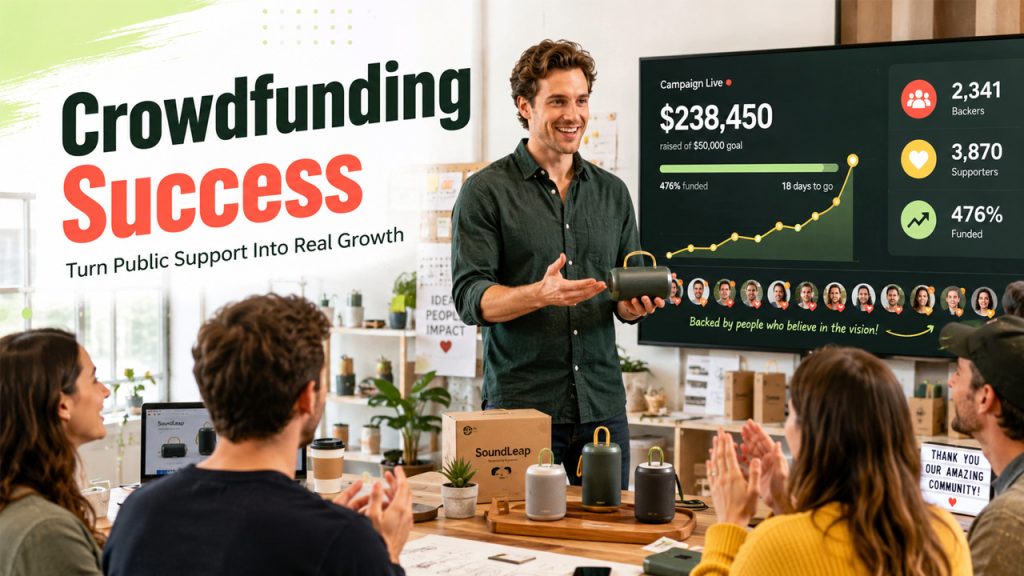






The guide explores the concept of crowdfunding in detail, along with why it works and proven strategies helping small business owners in launching successful crowdfunding campaigns.
Launching a new business or expanding it generally requires more than just a great idea; it requires funding. While businesses have the option to source funding through traditional financing options, such as bank loans and venture capital, they often turn towards crowdfunding as an innovative and practical way to raise capital. Crowdfunding not only ensures businesses secure funds, but also helps in validating a business idea, building customer loyalty, and creating excitement around a product or service even before it is launched.
From introducing a new product to opening a local business or expanding operations, a well-planned crowdfunding campaign provides businesses with the financial support and community backing needed to achieve their goals.
What is Crowdfunding?
Crowdfunding is the method of raising money or funds by collecting small contributions from a large number of people. Through crowdfunding, businesses, entrepreneurs, and individuals can present their ideas directly to a broad audience and receive financial support from people who believe in their vision. Crowdfunding not just act as a way to raise capital, but it also acts as a powerful tool for building brand awareness, attracting potential customers, testing market demand, and creating a community around their product or service.
Once businesses begin attracting customers and supporters, implementing effective CRM for startups can help them manage relationships, track interactions, and nurture long-term customer engagement.
Traditional methods of raising funds can be challenging for new businesses, as it features strict requirements, limited credit history, or difficulty attracting investors. Whereas crowdfunding offers an alternative method of raising funds, simply by allowing entrepreneurs to connect directly with their target audience.
How Does Crowdfunding Work?
A general crowdfunding campaign follows the steps mentioned below:
- Create a Campaign
The business owner presents their ideas, products, or projects on a crowdfunding platform.
- Set a Funding Goal
The creator decides how much money is needed and explains how the funds will be used.
- Promote the Campaign
The campaign is shared through social media, email marketing, websites, and other channels.
Creating valuable content through effective content marketing strategies for small businesses can help entrepreneurs increase campaign visibility, educate audiences, and encourage more people to support their ideas.
- Receive Contributions
Individuals contribute money to support the project.
- Deliver on Premises
After reaching the funding goal, the business uses the funds as planned and fulfills its commitments.
Benefits of Crowdfunding?
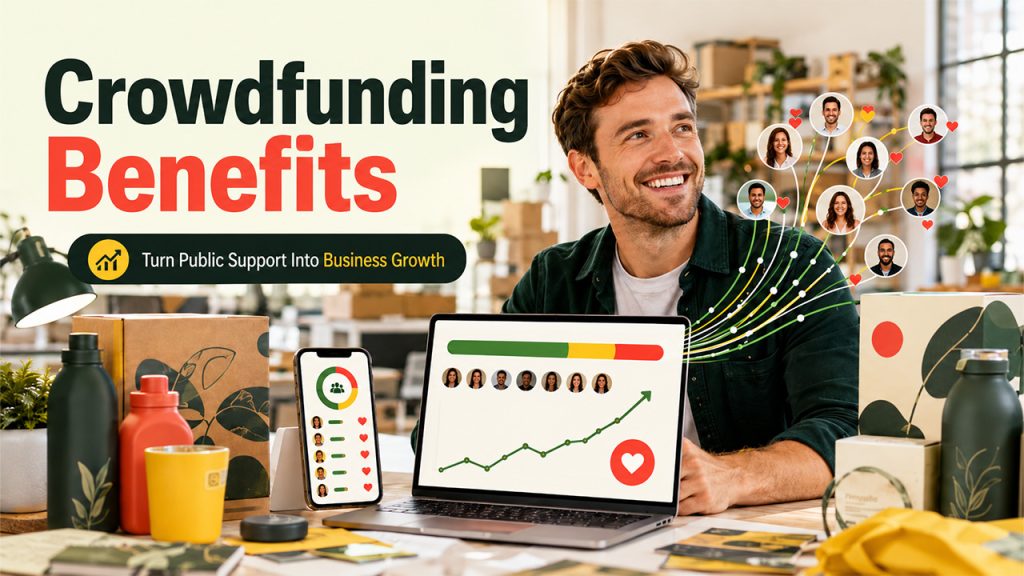
Crowdfunding offers a modern and smarter way to raise funds for small businesses and entrepreneurs. Some of the key benefits of crowdfunding are as follows:
- Access to Capital
The method offers an alternative source of funding by collecting smaller contributions from many supporters. Crowdfunding helps businesses raise money for product development, marketing, expansion, equipment, and operations without relying on traditional forms of loans.
- Market Validation
Crowdfunding campaigns also help businesses test whether customers are interested in a product or services before investing heavily. Businesses can confirm demand, reduce market risks, and improve their offering based on the response.
- Increased Brand Awareness
The method also helps attract attention through social media, online communities, and media coverage. It also helps new businesses reach a wider audience.
- Lower Funding Barriers
Through crowdfunding, entrepreneurs can present their ideas directly to the public, instead of meeting strict requirements of traditional lenders. It also makes funding opportunities more accessible, especially for startups and small businesses with limited financial histories.
Types of Crowdfunding?
There are four major types of crowdfunding models, with each offering a different approach for raising funds.
Types of crowdfunding are as follows:
- Reward-Based Crowdfunding
Reward-based crowdfunding offers money in exchange for non-monetary perks, which are usually early access to the newly created products.
- Donation-Based Crowdfunding
In donation-based crowdfunding, contributors give money purely to support a cause without expecting any financial or material rewards in return.
- Equity Crowdfunding
The investors receive a small ownership stake or shares in the company. It is generally considered ideal for startups seeking public capital instead of venture capitalists.
- Debt Crowdfunding
Debt-based crowdfunding is also known as peer-to-peer (P2P) lending. In this, a crowd or individual lends money that must be paid back with interest.
A quick comparison of different types of crowdfunding is as follows:
| Features | Reward-Based Crowdfunding | Donation-Based Crowdfunding | Equity Crowdfunding | Debt Crowdfunding |
| Investor Ownership | No | No | Yes | No |
| Repayment Required | No | No | No fixed repayment | Yes |
| Risk for Business Owners | Product delivery challenge | Meeting campaign expectations | Sharing company ownership | Repayment obligation |
| Ideal Campaign Goal | Launching product | Raising support for cause | Scaling business | Financing growth |
Top Crowdfunding Platforms in 2026
In 2026, there are various crowdfunding platforms available, and choosing the right one is essential. Each platform offers a different focus, audience, fee structure, and campaign model. Some platforms are considered ideal for launching new products, while others are better suited for startups seeking investors.
Some of the most popular crowdfunding platforms are as follows:
1. Kickstarter
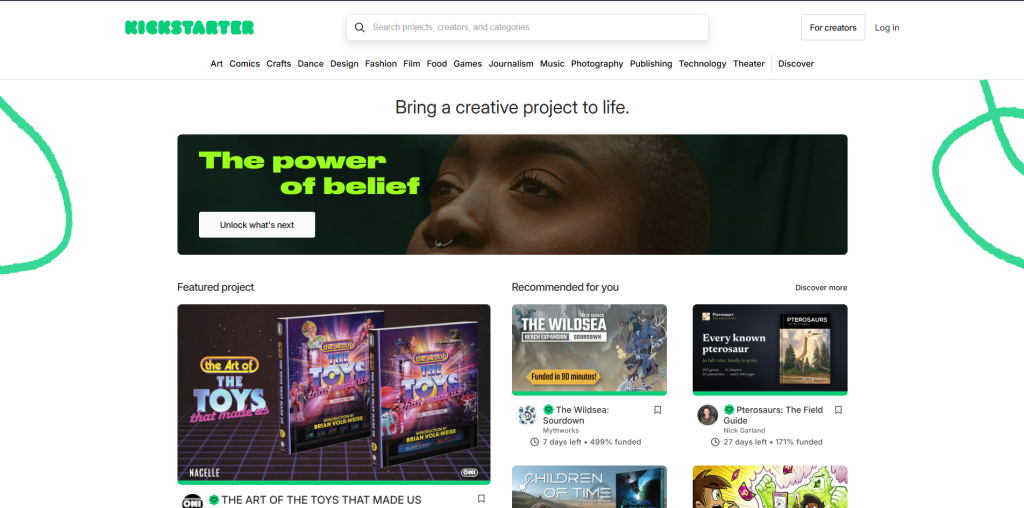
Kickstarter is among the most popular reward-based crowdfunding platforms, which is mainly used for creative projects, innovative products, and consumer-focused ideas.
Key Features
- Reward-based funding model
- All-or-nothing funding approach
- Large global community
- Campaign storytelling tools
Benefits
- Strong brand recognition.
- Access to millions of potential backers. Helps validate product demand.
Limitations
- Funding is not guaranteed unless the goal is reached.
- Highly competitive marketplace.
Ideal For
- Product creators, entrepreneurs, designers, inventors, and creative businesses.
2. Indiegogo
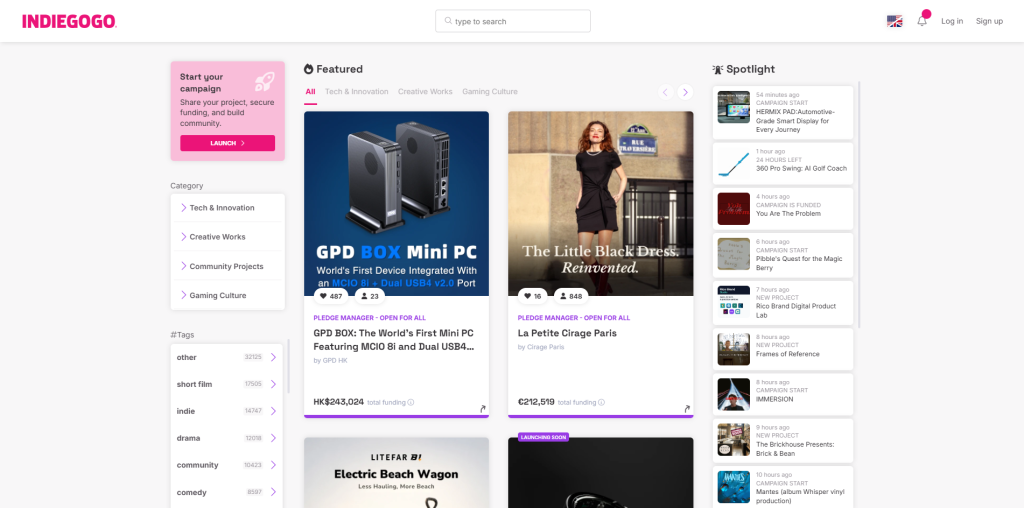
Indiegogo is a flexible crowdfunding platform that supports product launches, technology projects, and innovative business ideas.
Key Features
- Flexible and fixed funding options.
- Global campaign reach.
- Marketplace opportunities after campaigns.
Benefits
- More flexible funding options than many competitors.
- Supports international campaigns.
- Useful for product testing and early sales.
Limitations
- Requires strong self-promotion.
- Smaller audience compared with some major platforms.
Ideal For
- Technology startups, hardware companies, innovators, and businesses launching new products.
3. GoFundMe
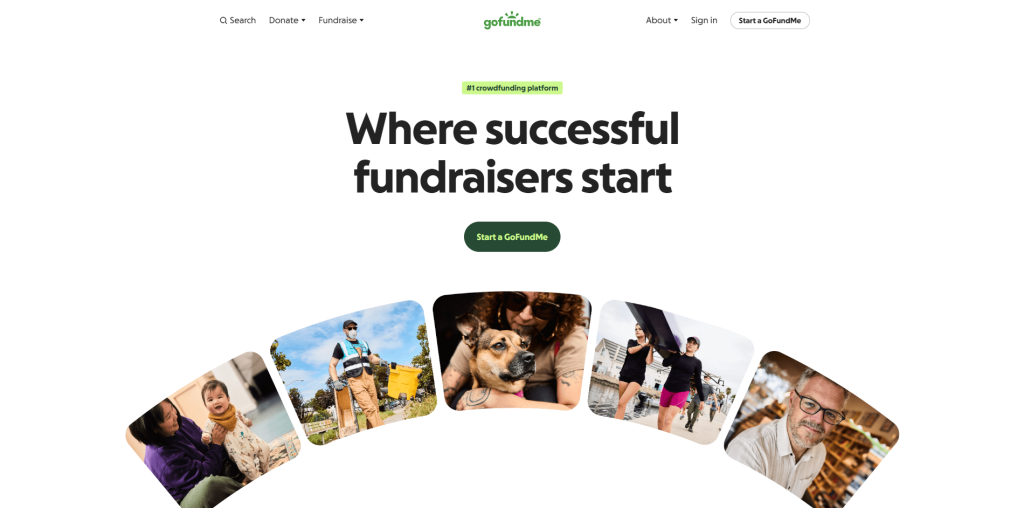
GoFundMe is a donation-based crowdfunding platform that is commonly used for personal causes, community projects, nonprofits, and social initiatives.
Key Features
- Donation-based model. Easy campaign creation.
- Social sharing tools.
Benefits
- Simple setup process.
- Strong emotional storytelling potential. Effective for community-driven fundraising.
Limitations
- Not designed for product-based businesses.
- Donors usually do not expect financial returns.
Ideal For
- Nonprofits, charities, community projects, and individuals raising funds for specific causes.
4. StartEngine
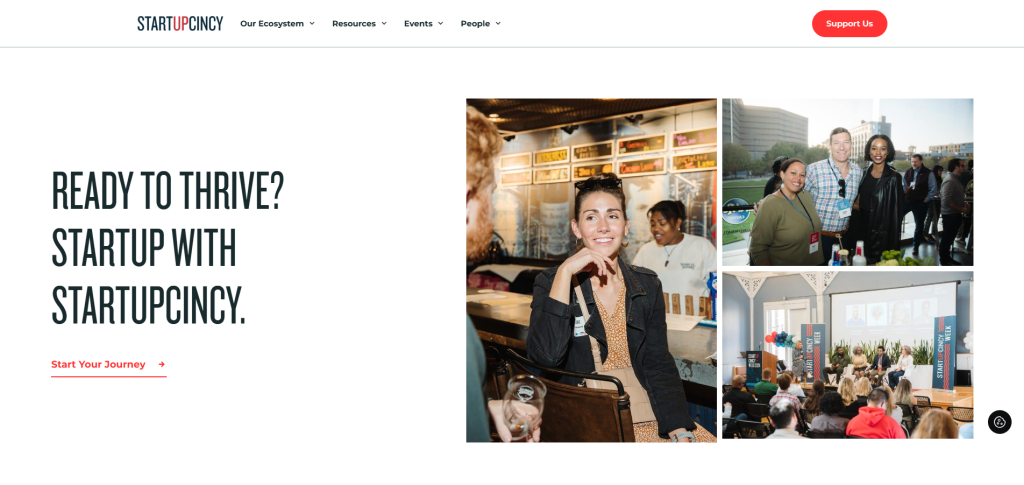
It is an equity crowdfunding platform that allows businesses to raise funds by offering ownership.
Key Features
- Equity investment model.
- Access to individual investors.
- Investor communication tools.
Benefits
- Allows businesses to raise larger amounts.
- Builds a community of investors.
Limitations
- Requires legal compliance and financial disclosures.
- Business owners share ownership.
Ideal For
- Startups and growing companies seeking investment capital.
5. WeFunder
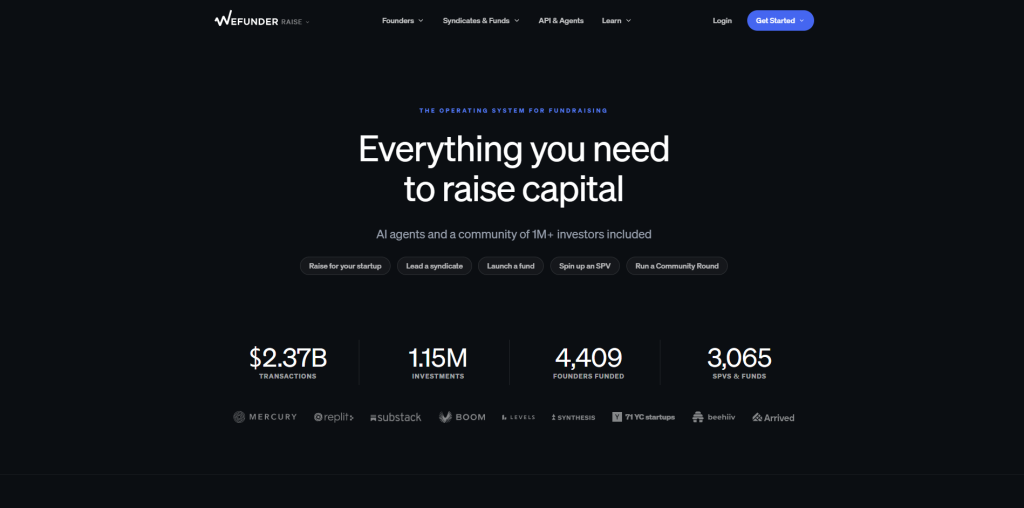
WeFunder is an equity crowdfunding platform that connects startups with everyday investors interested in supporting emerging businesses.
Key Features
- Startup investment opportunities.
- Community-based investing.
- Multiple investment options.
Benefits
- Makes startup funding more accessible.
- Helps founders build investor communities.
Limitations
- Requires preparation of investment documents.
- Investors expect business growth and returns.
Ideal For
- Early-stage startups, scalable businesses, and entrepreneurs seeking equity funding.
Limitations
While crowdfunding offers an effective way for businesses to raise funds, it also comes with several challenges. Some of the key limitations of crowdfunding are as follows:
- No Guarantee of Funding Success: The crowdfunding campaign may fail to reach its goal if it does not attract enough supporters.
- Requires Stronger Marketing Efforts: To attract investors, businesses need continuous promotion through social media, email, advertising, and networking.
- Time-Consuming Process: The process of crowdfunding requires planning, creating, responding to supporters, and managing updates.
Conclusions
Crowdfunding is more than just a method of fundraising. It has evolved as an ideal way to validate business ideas, build a loyal customer base, and generate excitement before the product or service is officially launched. For small business owners, crowdfunding campaigns can also offer crucial financial resources that are needed to grow while simultaneously creating a support and community base.
A successful crowdfunding campaign involves careful planning, along with authentic storytelling, strategic marketing, and consistent communication with the audience. Whether the business is launching a new product, expanding their business, or turning an innovative idea into reality, crowdfunding offers businesses a modern and achievable path for entrepreneurial goals.
FAQs About Crowdfunding
Crowdfunding helps small businesses to access funding, validate their ideas, and attract early customers without depending on traditional financing options.
Yes, crowdfunding is considered ideal for small businesses, especially for those launching new products, testing market demands, expanding operations, or building a customer community.
Businesses generally promote their crowdfunding campaigns through social media marketing, email campaigns, influencer partnerships, online communities, websites, press coverage, and customer networks.
The ideal crowdfunding campaign generally runs between 30 and 60 days, depending on the platform and business goals. A shorter campaign can create urgency, while a longer campaign allows more time for promotion.