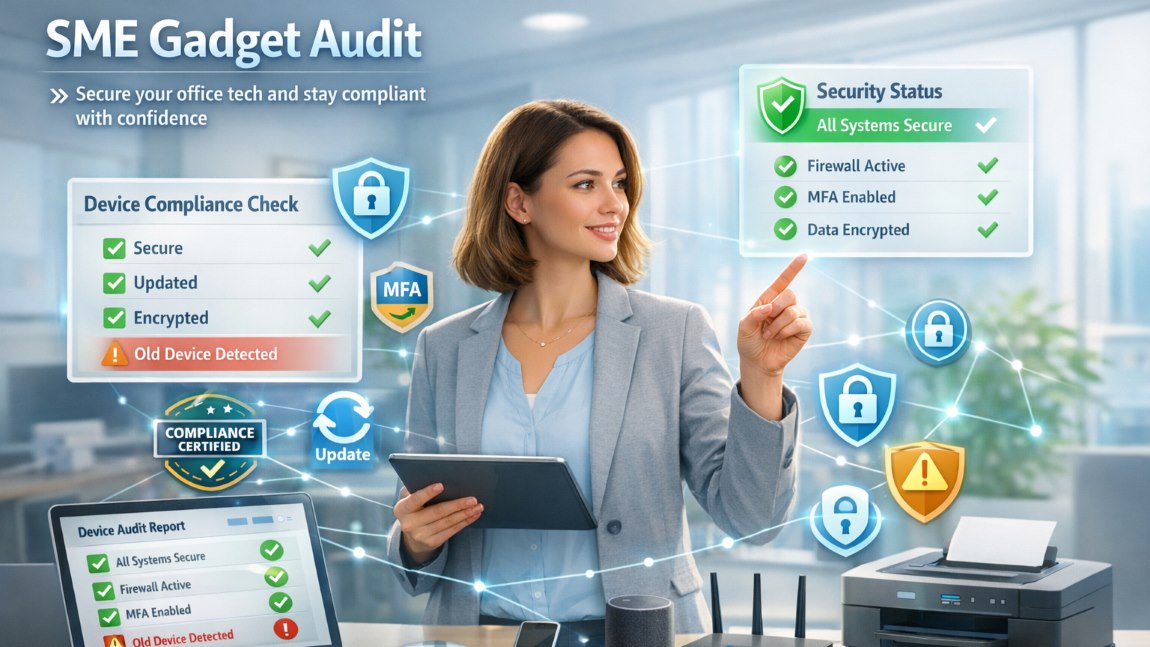






Understanding the New Security Landscape for SMEs
As the 2026 deadline looms, Australian small and medium enterprises (SMEs) face a pivotal challenge: ensuring that their office technology complies with the government’s new security regulations. These regulations are designed to tighten controls around the use of business gadgets, aiming to reduce vulnerabilities that cybercriminals could exploit. This shift is not merely a regulatory formality; it signals a fundamental transformation in how organizations must protect their digital work environments against ever-evolving threats.
Cybersecurity experts warn that SMEs are increasingly targeted due to perceived weaker defenses. In fact, recent studies show that 43% of cyberattacks are aimed at small businesses, making them prime targets for data breaches and ransomware. This alarming figure underscores the critical need for SMEs to reassess their security posture and prepare for stricter compliance requirements.
The new Australian rules will require companies to implement secure configurations, maintain up-to-date software, and enforce strict device management protocols. These measures will help close gaps in security that hackers commonly exploit. However, for many SMEs, especially those without dedicated IT departments, understanding and meeting these requirements can be daunting.
For SMEs unfamiliar with the technical complexities or regulatory nuances, engaging specialized consultants can be a game-changer. If navigating the technical and regulatory intricacies feels overwhelming, SMEs can benefit immensely from tailored consulting from Vendita. These experts provide tailored consulting that aligns your tech infrastructure with current and upcoming standards, ensuring your audit is thorough and actionable.
The Importance of a Gadget Audit for SMEs
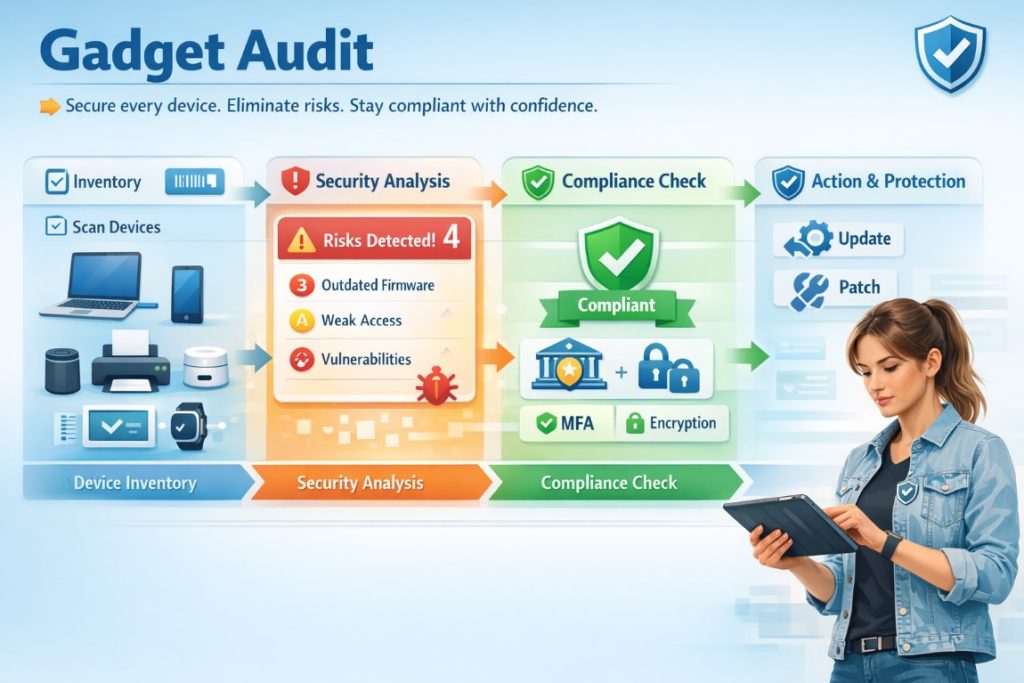
Conducting a gadget audit is the essential first step towards compliance. This audit involves a thorough review of every device connected to your office network, including laptops, smartphones, printers, Internet of Things (IoT) devices, and more. The goal is to evaluate each gadget’s security status against the government’s mandated standards, identifying weaknesses such as outdated firmware, unsecured access points, or hardware that does not meet compliance criteria.
Alarmingly, research indicates that 60% of SMEs operate with outdated or unsupported devices, significantly increasing their cybersecurity risk. This not only jeopardizes data security but also exposes businesses to potential fines and operational disruptions. A comprehensive gadget audit can uncover these hidden risks and provide a roadmap to mitigate them proactively.
Key Components of the 2026 Compliance Audit
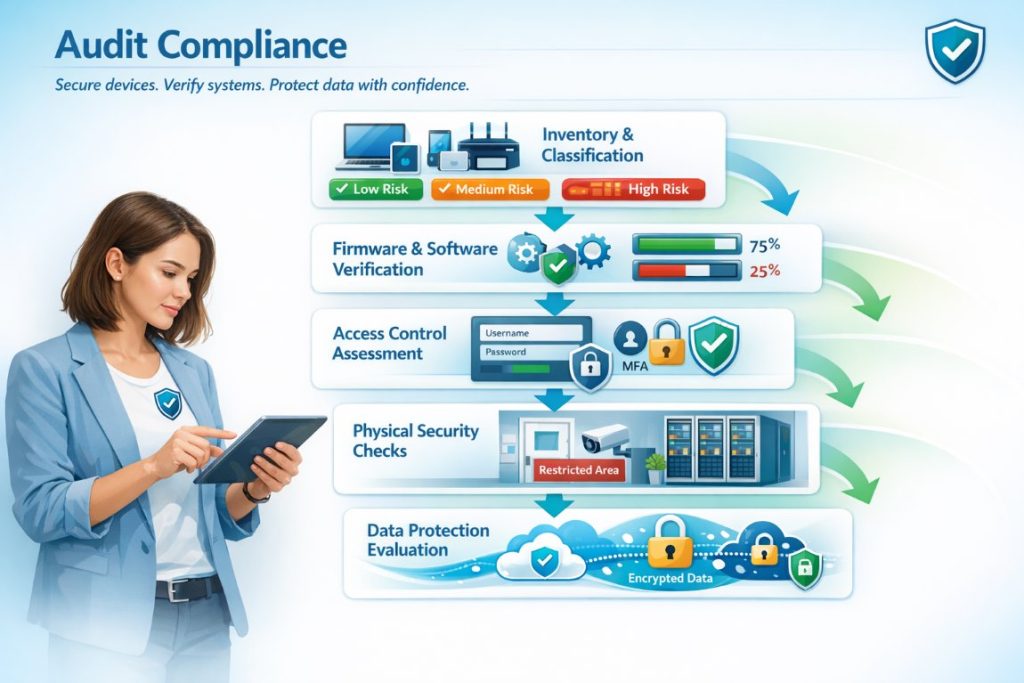
The audit process is multi-faceted and requires a systematic approach. Key components include:
- Inventory and Classification: This involves cataloguing all devices within the organization, categorizing them by risk level and their function within business operations. Understanding what gadgets exist and how they are used is fundamental to assessing security.
- Firmware and Software Verification: Ensuring that every device operates on supported versions of firmware and software, and that all security patches are applied promptly. Unsupported or outdated systems are prime vectors for cyberattacks.
- Access Control Assessment: Reviewing authentication mechanisms, such as multi-factor authentication (MFA), and implementing network segmentation strategies to limit device access. This helps contain breaches if a device is compromised.
- Physical Security Checks: Verifying that physical safeguards-like locked server rooms, secure storage for portable devices, and tamper-evident packaging-are in place to prevent unauthorized access or manipulation.
- Data Protection Evaluation: Assessing encryption standards for stored and transmitted data, as well as protocols for data handling and disposal. This ensures sensitive information is shielded from interception or leakage.
Each step must be meticulously documented to demonstrate compliance during audits or government inspections. This documentation not only serves regulatory purposes but also aids in internal risk management.
Preparing Your SME for the 2026 Deadline
Procrastination can be costly. Starting the compliance journey well before the 2026 deadline allows SMEs to methodically identify and address security gaps without the pressure of last-minute fixes. Begin by creating a detailed inventory of all office gadgets, followed by baseline security assessments to gauge current vulnerabilities.
Engaging with cybersecurity consultants or firms early on can bridge knowledge gaps and help implement best practices tailored to your business needs. A proactive approach reduces the likelihood of costly breaches and regulatory penalties. Supporting this strategy, a recent report found that SMEs adopting comprehensive cybersecurity frameworks reduce breach incidents by up to 50%, highlighting the tangible benefits of early and thorough preparation.
For businesses looking for advanced cybersecurity services post-audit, it’s advisable to schedule a call with Zenetrix. Zenetrix offers expert support in securing networks and managing ongoing compliance, a crucial partnership for SMEs aiming to maintain robust defenses beyond 2026.To further strengthen your setup, especially in remote or hybrid environments, it’s important to follow best practices for securing your workspace. Learn more about securing your environment in this guide on home office security.
Leveraging Technology to Streamline Compliance
Modern technology solutions can significantly simplify the audit and ongoing compliance processes. Asset management software automates the discovery and classification of devices, while vulnerability scanners identify security flaws in real time. Compliance dashboards offer centralized visibility, enabling IT teams or consultants to monitor adherence to security policies continuously.
Integrating these tools allows SMEs to maintain an up-to-date picture of their tech environment, quickly address emerging risks, and generate reports required for regulatory compliance. This automation not only saves time but also enhances accuracy and responsiveness.Hybrid work environments require robust network and connectivity checks to ensure compliance and security. A detailed approach can be explored in this guide on conducting an NBN audit for hybrid teams.
The Broader Benefits of Compliance Beyond Regulation
While the immediate goal is to meet the 2026 security rules, the benefits of conducting a gadget audit and strengthening cybersecurity extend far beyond regulatory compliance. A secure technology environment boosts customer confidence, protects intellectual property, and safeguards the business’s reputation. Moreover, it reduces downtime caused by cyber incidents, ensuring smoother operations.
Investing in robust security practices also prepares SMEs to adapt to future technological changes and emerging threats. In a landscape where cyber threats evolve rapidly, building resilience today is an investment in long-term sustainability.
Statistics show that companies with strong cybersecurity measures experience 70% fewer successful cyberattacks, underscoring the value of ongoing vigilance and compliance. Additionally, SMEs that invest in cybersecurity tools and training see an average 30% reduction in operational disruptions caused by security incidents.
Conclusion
Australia’s 2026 office technology security rules present both a significant challenge and a valuable opportunity for SMEs. By conducting a rigorous gadget audit, engaging expert consulting, and partnering with cybersecurity specialists, businesses can not only achieve compliance but also strengthen their overall security posture. Early and proactive engagement with these requirements will safeguard your enterprise’s data, protect your reputation, and ensure operational continuity in an increasingly digital world. Taking these steps now positions your SME to thrive securely well beyond 2026.