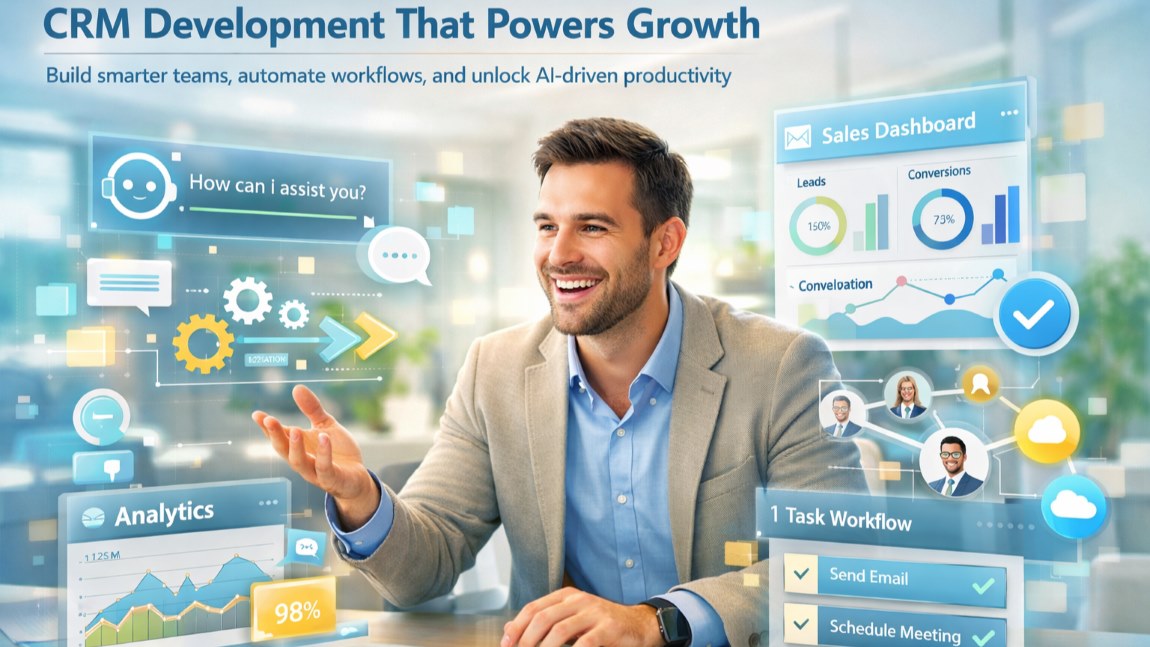






For modern CRM to function properly, significant emphasis must be placed on its development and maintenance. This requires much more than implementing simple sales functions. After all, modern CRM systems must integrate with other software systems, support automation and analytics and increasingly utilize artificial intelligence.
In this context, many companies opt for team augmentation to quickly fill skill gaps and accelerate software development without relying solely on an in-house team. How do you choose true professionals?
- What team competencies should you focus on during CRM development?
- How do you choose the right collaboration model and contract types?
- What risks and mitigation strategies should you consider?
Together, we'll review team competencies, collaboration models and aspects of security and long-term effectiveness - making your choice easier. This is an important decision.
What team competencies should you focus on during CRM development?
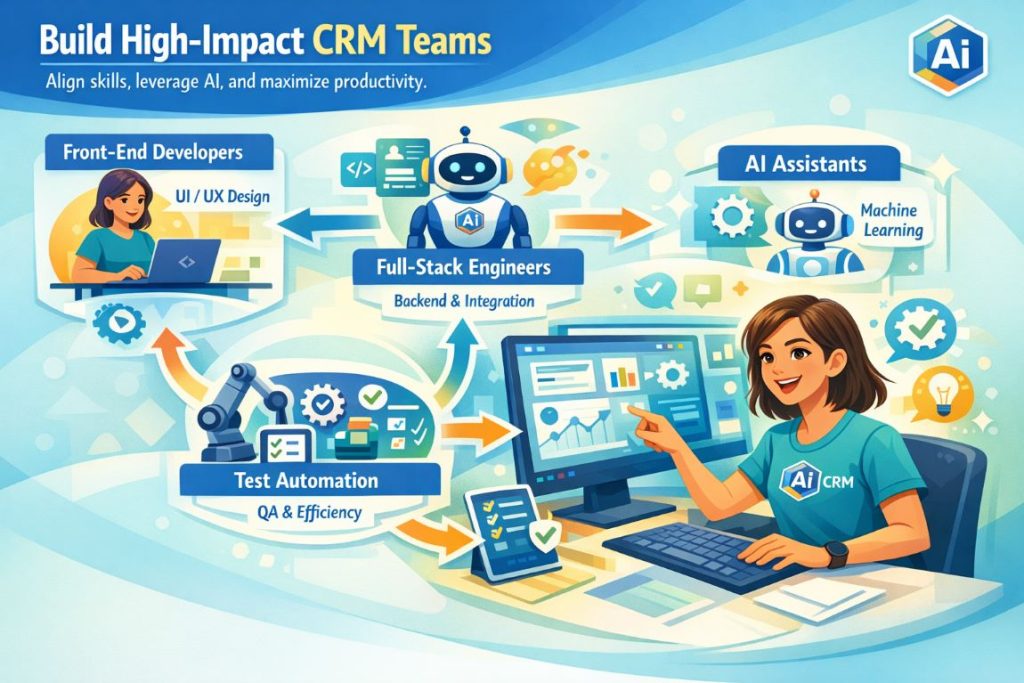
The absolute foundation of effective collaboration is alignment – and here, too, we must focus on this, especially when it comes to matching
skills to the project scope and business project. Therefore, augmented team members should have experience in software engineering, be familiar with the specifics of CRM and be able to work with the existing architecture and tech stack. Both front-end software developers and full-stack engineers who can seamlessly integrate new functions with the existing team are important. AI Augmented Software Development is also playing an increasingly important role, with AI agents and AI assistants supporting test cases, automation and data analysis, significantly enhancing the productivity and productivity gains of the entire team. Last on this list, but equally important, is that the augmented team understands CRM processes and can work hand-in-hand with product owners. This is the only way to create real value as an augmented software development team - without these foundations, the project would be meaningless.
How do you choose the right collaboration model and contract types?
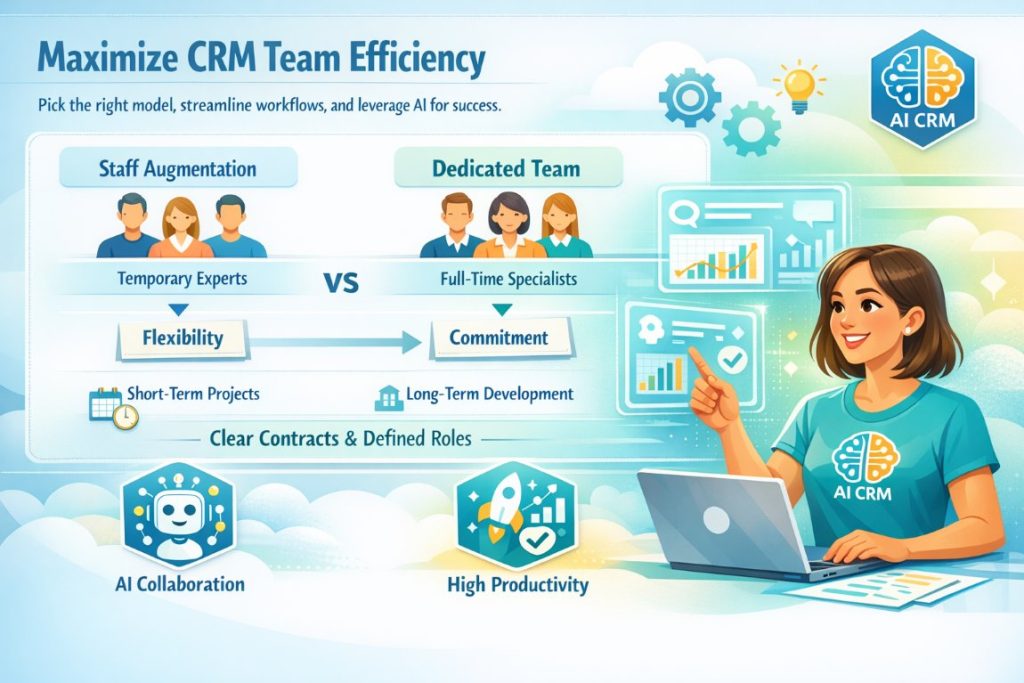
Now that we've emphasized the importance of tailoring the outsourcing model to the project's needs in CRM development, we can delve deeper.
More specifically, staff augmentation services are effective for short-term projects or when specific skills are lacking, while a dedicated team is a better choice for long-term development of the entire project. It's important to clearly define contract types, work agreements and responsibilities to avoid potential challenges related to time zones or real-time communication. Teams that leverage AI in CRM can streamline workflows, improve collaboration, and maximize efficiency in complex development projects.
Ultimately, every experienced outsourcing company should be able to offer flexibility, scalability and support for strategic planning and continuous team learning.
What risks and mitigation strategies should you consider?
There are many issues worth addressing when collaborating with an augmented software team, including data security, intellectual property and security compliance. Additionally, attention should be paid to security measures, data protection procedures and potential security vulnerabilities.
It's also important to remember the importance of ethical considerations related to the use of AI and AI capabilities in CRM systems.
In any case, only well-planned mitigation strategies, clear communication and regular progress reviews can significantly reduce the risk of errors and increase efficiency gains. All of this combined makes augmented software a truly game-changing approach in CRM development- in other words, a challenge worth taking on.