





Understanding the ASD Essential Eight
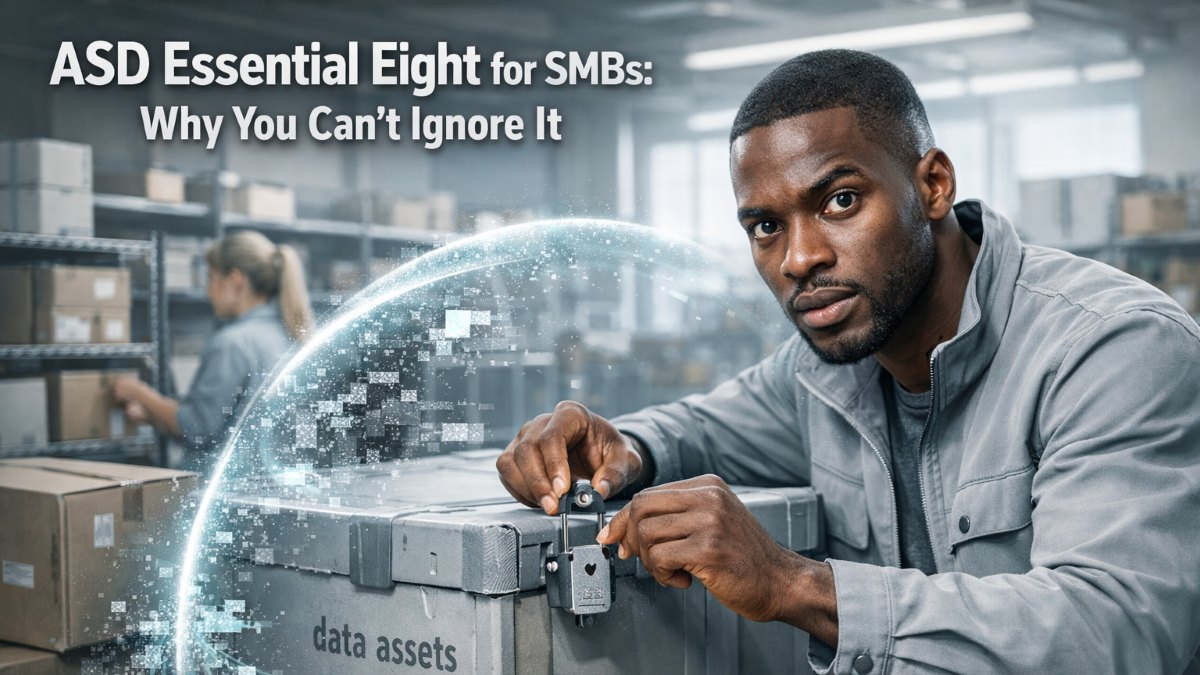
In an era where cyber threats evolve rapidly and become increasingly sophisticated, cybersecurity resilience is no longer optional-it's a necessity. The Australian Cyber Security Centre (ACSC) developed the Essential Eight, a set of mitigation strategies designed to help organisations bolster their defences against common cyber attacks. As we approach 2026, the Essential Eight framework has become particularly crucial for small and medium-sized businesses (SMBs) in Australia, which often face the same threats as larger enterprises but with fewer resources to respond effectively.
The Essential Eight comprises eight key strategies: application whitelisting, patching applications, configuring Microsoft Office macro settings, user application hardening, restricting administrative privileges, patching operating systems, multi-factor authentication, and daily backups. Together, these controls form a robust baseline to reduce the risk of ransomware, malware, and data breaches. The framework’s prioritised approach assists organisations in applying the most critical controls first, ensuring that even limited resources are used efficiently to maximise security outcomes.
Why SMBs Must Prioritise Cybersecurity Now
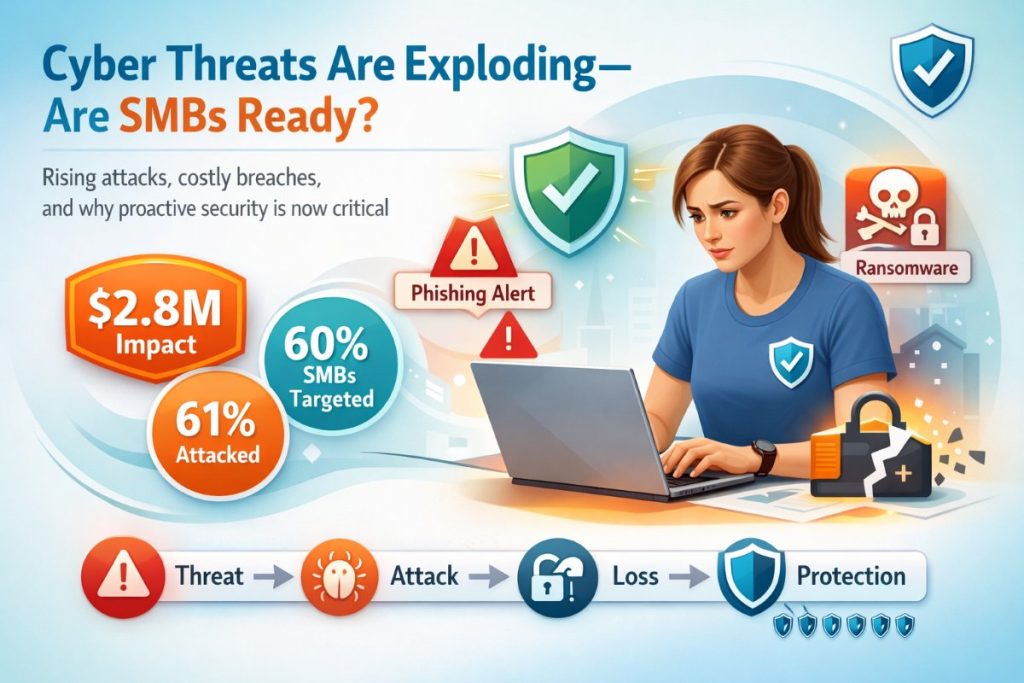
Cybercrime is surging globally, and SMBs represent an increasingly attractive target for attackers. According to the Australian Cyber Security Centre, around 60% of cybercrime reports in Australia involve SMBs, highlighting their vulnerability in the digital landscape. This trend reflects a global pattern where smaller organisations, often lacking dedicated security teams, are exploited by cybercriminals looking for easier entry points.
Furthermore, a Ponemon Institute study found that 61% of SMBs experienced a cyber attack in the past year, with the average cost of a data breach hitting AUD 2.8 million for Australian businesses. This financial impact can be devastating for SMBs, often leading to operational disruption, loss of customer trust, and in some cases, closure of the business altogether.
SMBs must recognise that traditional security measures such as basic antivirus software or firewalls are insufficient against today’s sophisticated threats. The Essential Eight framework provides a practical and prioritised approach that even businesses with limited IT budgets can implement effectively. By adopting these controls, SMBs can significantly reduce their exposure to ransomware, phishing attacks, and data breaches, protecting their assets, customers, and reputation.
Leveraging Expert Guidance for Essential Eight Implementation
Implementing the Essential Eight can seem daunting, especially for smaller organisations lacking dedicated IT staff or cybersecurity expertise. However, many businesses rely on Aether to guide them through this process. Aether IT Systems specialises in delivering tailored IT consulting services that help SMBs adopt the Essential Eight controls without disrupting daily operations. Their expertise ensures that critical patches are applied promptly, administrative privileges are tightly controlled, and multi-factor authentication is enforced across all user accounts. This partnership approach enables SMBs to benefit from advanced cybersecurity practices without the need to build extensive internal teams.
Similarly, Compeint, a reputable IT company, assists SMBs in New York City and beyond with cybersecurity frameworks like the ASD Essential Eight. Their experience in managing IT security for diverse industries demonstrates how external experts can help businesses navigate complex compliance requirements and implement effective controls. Collaborating with such providers allows SMBs to leverage external expertise, automation tools, and ongoing monitoring services that significantly enhance their security posture efficiently and cost-effectively.
The Business Case for Adopting the Essential Eight
Adopting the Essential Eight is not just about compliance or risk mitigation; it’s a strategic business decision with multiple benefits. The framework helps SMBs build customer trust by demonstrating a commitment to data protection and cybersecurity best practices. In a survey conducted by PwC, 85% of consumers indicated they would not do business with a company if they had concerns about its cybersecurity practices. This statistic underscores how cybersecurity directly impacts revenue, brand reputation, and customer loyalty.
Moreover, cyber insurance premiums are increasingly linked to an organisation’s cybersecurity maturity. SMBs that can demonstrate adherence to the Essential Eight often benefit from reduced premiums and improved policy terms, translating to significant cost savings over time. This financial incentive complements the direct benefits of avoiding costly breaches and operational downtime.
Beyond financial considerations, a strong cybersecurity posture can also open doors for SMBs seeking partnerships or contracts with larger enterprises. Many organisations now require their suppliers and vendors to meet minimum cybersecurity standards, making compliance with frameworks like the Essential Eight a competitive advantage in tendering and procurement processes.
To strengthen their overall security strategy, SMBs should also explore a broader governance, risk, and compliance (GRC) framework, which helps align cybersecurity efforts with business objectives and regulatory requirements.
Tailoring the Essential Eight for SMB Needs
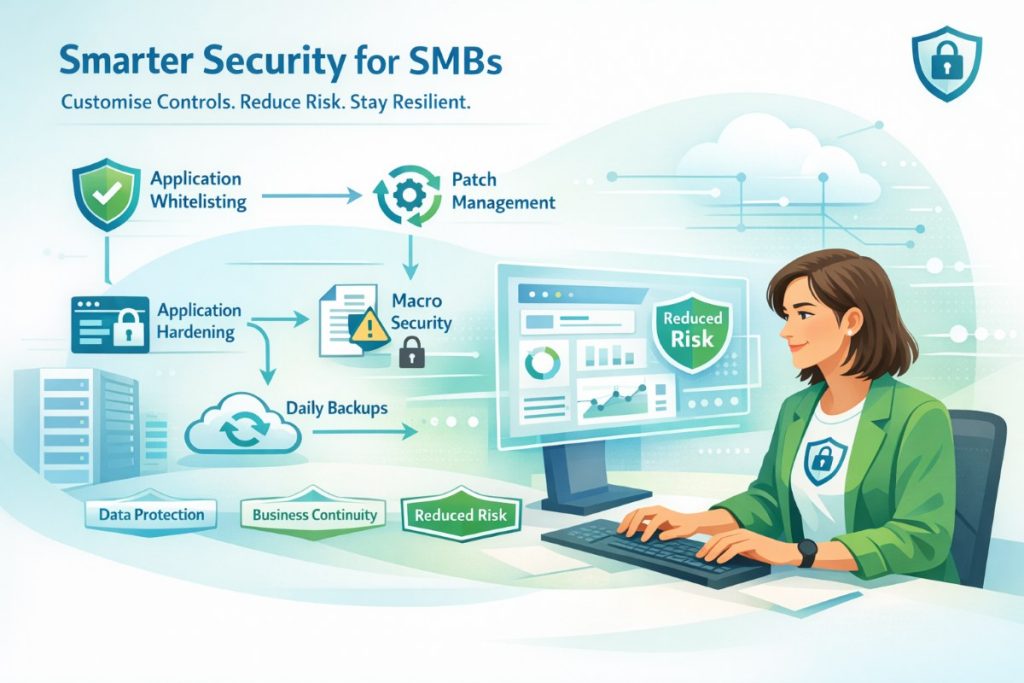
While the Essential Eight provides a strong foundation, SMBs should tailor each control to their specific operational context and risk profile. For instance, application whitelisting might be configured to allow only approved software critical to business functions, reducing the risk of malware execution while minimising disruption to employees. Regular patching schedules should be aligned with vendor updates and business downtime windows to ensure security without affecting productivity.
Configuring Microsoft Office macro settings is another vital control, as macros are often exploited to deliver malware payloads via email attachments. SMBs should enforce strict macro policies, allowing only trusted macros to run and disabling those from unverified sources.
Daily backups, a critical pillar of the framework, ensure rapid recovery in case of ransomware attacks or data loss incidents. SMBs should implement automated backup processes and test restoration procedures regularly to guarantee data integrity and availability. This proactive approach reduces downtime and mitigates the financial and reputational damage caused by prolonged outages.
User application hardening, including disabling unnecessary features in web browsers and email clients, further reduces the attack surface. SMBs can use group policies and endpoint management tools to enforce these settings consistently across their networks.
Overcoming Common Implementation Challenges
One of the key hurdles SMBs face in adopting the Essential Eight is resource constraints. Limited IT personnel and budget can delay patching or complicate configuring multi-factor authentication across all users. Partnering with experienced IT service providers, like Aether and Compeint, can alleviate these challenges by delivering outsourced expertise, automation tools, and continuous monitoring services. These partnerships enable SMBs to maintain robust cybersecurity defences without overextending internal resources.
Another challenge is user awareness. Cybersecurity training tailored to SMB employees helps reduce risks associated with phishing and social engineering attacks, which remain prevalent vectors for breaches. Regular training sessions, simulated phishing campaigns, and clear communication about security policies empower employees to act as a strong line of defence.
Additionally, SMBs must overcome misconceptions that cybersecurity is solely an IT issue. Leadership buy-in is essential to allocate sufficient resources and foster a culture where cybersecurity is everyone’s responsibility. Executive support ensures that policies are enforced, incidents are taken seriously, and continuous improvement is prioritised.
Looking Ahead: The Essential Eight Beyond 2026
The cybersecurity landscape will continue to evolve beyond 2026, but the principles behind the Essential Eight will remain relevant. Increased digital transformation, remote work, and cloud adoption all expand the attack surface for SMBs. Consequently, continuous assessment and improvement of cybersecurity controls are vital to keep pace with emerging threats.
The Australian government is expected to update the Essential Eight framework regularly, incorporating new threat intelligence and technological advances. SMBs that build a culture of cybersecurity resilience now will be better positioned to adapt to future challenges and regulatory changes. Investing in scalable security solutions today enables organisations to respond swiftly to new vulnerabilities and compliance requirements.
Moreover, the rise of artificial intelligence and automation in cyber attacks means that SMBs must stay vigilant and proactive. Leveraging threat intelligence feeds and automated detection tools integrated with the Essential Eight controls can provide early warning and rapid response capabilities.
Conclusion
For Australian SMBs, ignoring the ASD Essential Eight framework in 2026 is no longer an option. The rising tide of cyber threats, combined with increasing regulatory and customer expectations, means that adopting these eight mitigation strategies is critical for survival and growth. Leveraging expert partners, customising controls, and fostering a security-first mindset will enable SMBs to protect their digital assets and maintain a competitive advantage in an uncertain cyber environment.
By embracing the Essential Eight now, Australian SMBs can transform cybersecurity from a daunting challenge into a catalyst for trust and business success. The framework not only safeguards against financial and reputational damage but also positions SMBs for sustainable growth in a digital economy where security is paramount. As cyber threats continue to escalate, the Essential Eight offers a clear, actionable path for SMBs to secure their future confidently and resiliently.