





Video is the clear winner in today's marketing world, but it's not a tactic that every marketing team can consistently execute. The old style of video production had to be done with skilled personnel, high production costs, and long production cycles, which are not conducive to the pace at which campaigns are needed these days. It is here that AI video generation is making a difference. Marketing teams are learning to create more video content, faster, at a lower cost and with more strategic impact than ever.
The Connection Between Video Content and Campaign Conversion
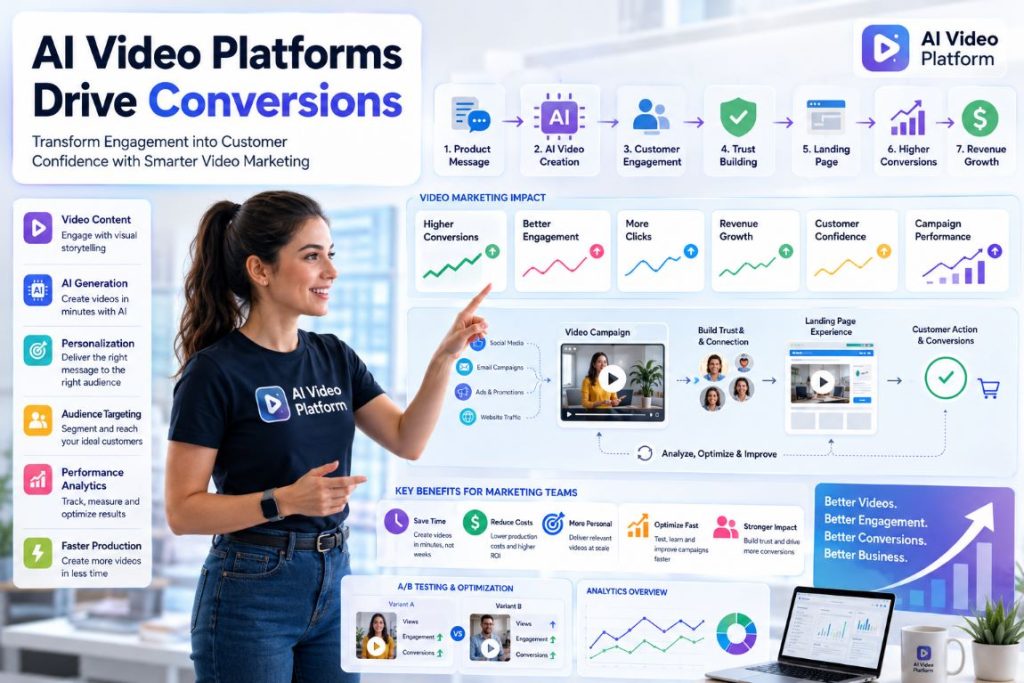
The connection between video and is now certain. The conversion rate on landing pages increases by 86% when video is added to the pages instead of text-only. This isn't a marginal improvement. It's a basic change in prospect behavior when it comes to marketing messages. It's the power of the conversion lift that's so interesting because video plays differently in the buyer's mind. It smooths out the decision-making process. Marketers should provide a prospect with a real-life example of how a solution has worked, how the experience is, or how real customers have been helped rather than forcing them to read through a ton of product descriptions. This is a visual demonstration, as opposed to written explanation, that allows for greater confidence to be gained more quickly.
Those who have embraced video in marketing have increased revenue 49% year-over-year versus those using traditional content formats. In addition, they also see 27% more click-through rates and 34% more web conversions. These figures represent a shift in consumer habits towards consuming marketing messages and taking purchasing decisions.
Most marketing teams don't have the issue of understanding the value of video. It is generating sufficient quantity to remain competitive. It can take weeks to record, edit, and publish just one quality video. At the time a campaign is ready to go to market, the marketplace has changed. The competition is over, and the winners have gone on ahead. Situations once considered opportunities have now begun to disappear.
How AI Accelerates Campaign Timelines Without Sacrificing Quality
The traditional video production process has a long lead time. A team can take two or three weeks to write a campaign video, a week to arrange the shoots, several days to actually shoot the video, and weeks to edit it. As the video finishes, the campaign window has become quite short.
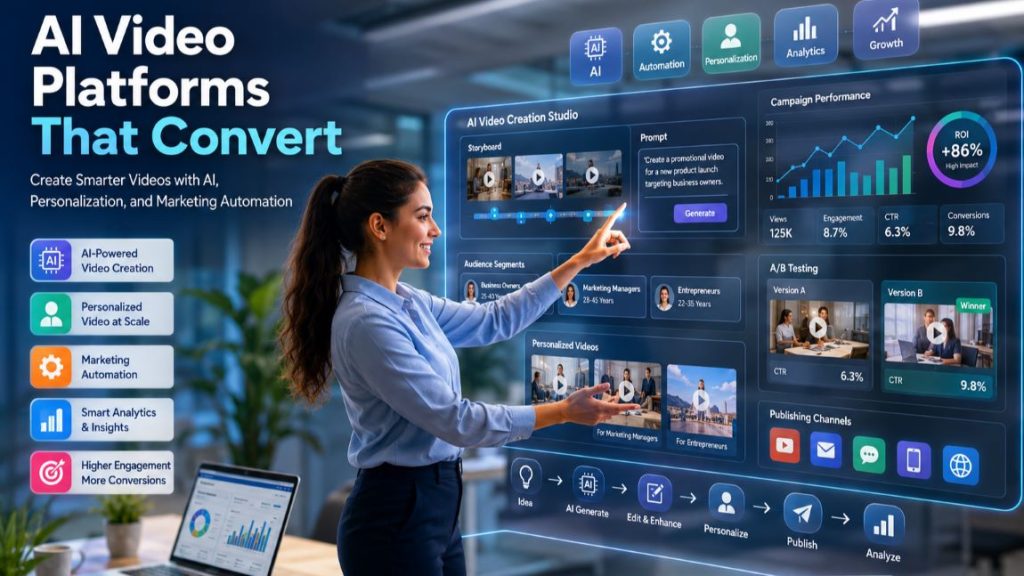
AI platforms are breaking these timelines without compromising on quality. Marketing teams can now produce multiple video variations in days or hours instead of weeks. That time saved goes straight back into strategy, testing, and campaign optimisation. This is exactly where an AI video generator for business gives modern marketing teams a real competitive edge, turning what used to take weeks into something that is live and running by end of day.
Imagine a marketing team wants to evaluate how the product launch would be received by the audience if they used various approaches in the messaging. In the old days, they used to write more than one script, shoot each version separately, and then wait till editing on all of the versions. Using AI tools, they can use the various variations of copy, and the platform will come back with various video options to test. The team can conduct A/B tests right away, collect performance data, and optimize accordingly, based on what really resonates with their audience. The speed of the acceleration is significant if campaigns are required to catch market timing. A competitor makes an announcement, a seasonal event happens, or industry news breaks, and you need to move quickly to respond to the marketing. There are some difficult decisions to make for teams that work in a traditional production style: They either have to act in time or rush it, risking quality. The AI-powered creation takes that equation away. Marketing teams can keep quality while grabbing the time-sensitive opportunity.
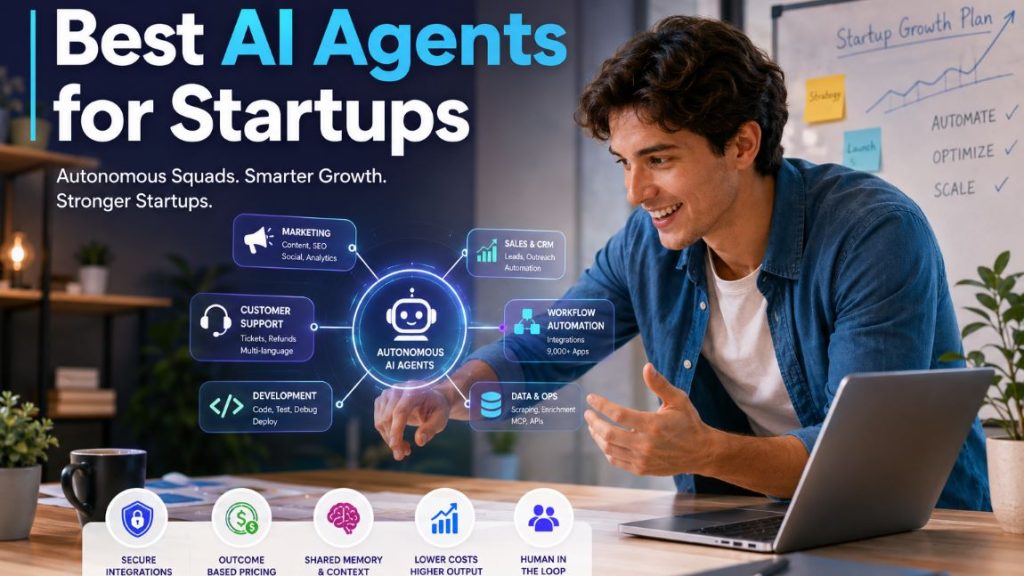
The added fastness allows for a mindset in the testing process that older manufacturing processes could not accommodate. Rather than relying on a single "perfect" campaign video, teams can produce a series of videos, test them out in the real marketplace, and tweak them as they go. As AI-powered marketing workflows continue to evolve, many businesses are also adopting autonomous AI agents to automate campaign planning, content generation, customer interactions, and performance optimization. If you're exploring broader AI automation beyond video creation, check out our guide on Best AI Agents for Startups to learn how intelligent agents can streamline business operations and marketing workflows. This strategy always gets a better outcome than taking weeks to go over one problem-solving approach.
Enabling Personalization and Targeting at Scale
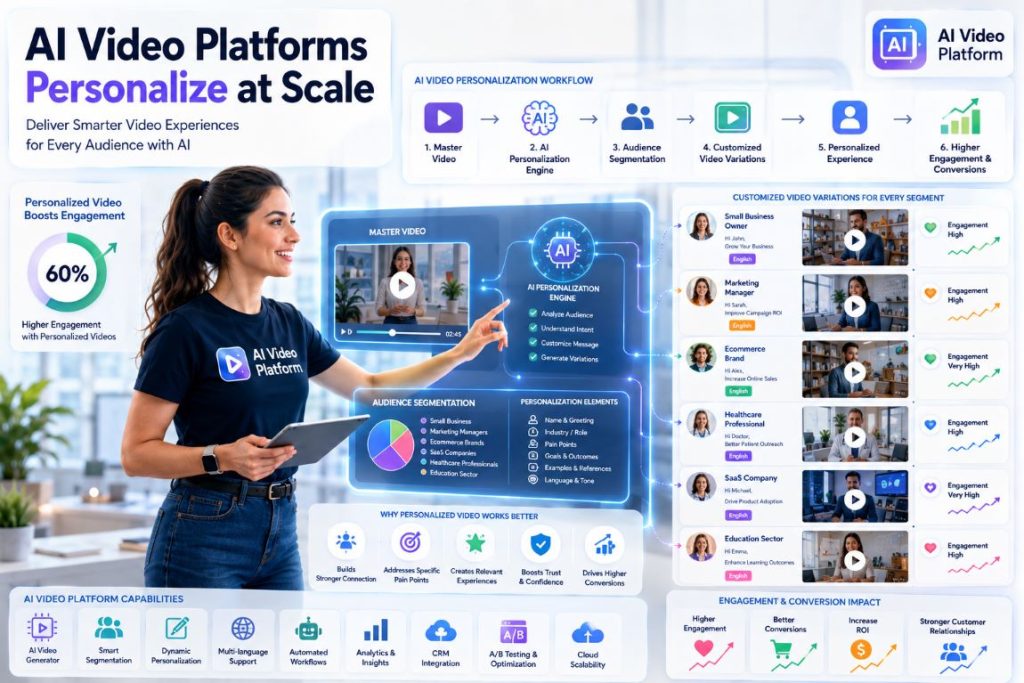
The power of AI video generation lies in its capacity to generate customized video content quickly and efficiently, especially at scale. Marketers no longer have to think of personalization as a luxury reserved for bigger accounts and can send personalized video messages to various customer groups.
Recent marketing research reveals that personalized video content boosts engagement by as much as 60%. This isn't unusual because the power of pictures is that they relate to the psychological level of one's perception of oneself or one's situation, as well as the level of the message itself. If a prospect sees a video that addresses their specific pain point, industry, or goal, then the message resonates differently than if it were a generic video.
This type of personalization is now feasible for entire campaigns with the help of AI. A team can develop a basic video idea and then modify it for other audiences without having to make a full copy of the video. The basic message is the same, but the details, examples, and references vary based on each segment. Tools like the AI Cinematic Video Generator make it possible to produce these personalised video variations at scale without rebuilding every asset from scratch.
This ability changes the marketing teams' way of segmenting customers. Rather than deciding if it's worth it to personalize, teams begin to question which segments will most likely benefit from personalized messaging. The technology eliminates the resource constraint that hindered personalization due to the high costs.
Optimizing for Higher Conversions
It’s not a great idea to produce more video content at a quicker pace if the videos don't convert. That's where analytics and optimization are key. Marketing teams that are looking to leverage video marketing should know what is working, what isn't, and how to do better, and video performance analytics can help them determine that. AI-powered video platforms incorporate analytics that assist teams to see the efficiency of various videos across various viewers and platforms. They can determine what kinds of messages engage the most viewers, which video length captures the attention of its viewers for the longest time and which factors are connected with the conversion action.
With this data visibility, fast optimization cycles can be achieved. Teams can also capture and analyze data during a campaign (while it is running) and adjust accordingly. With initial video performance data, a team can tweak their targeting, bidding strategy, or message and test it with a new variation right away.
Quick testing and performance-based iteration are game-changers in the world of campaigns. Teams can execute many experiments on a single campaign, not looking for the “one perfect campaign," but rather doubling down on campaigns that will work. This experimental method has proven to be more successful than campaigns that are very well thought out in advance and seldom optimized on the fly.
Practical Benefits Of AI Video Platforms for Marketing Teams
AI-powered video creation addresses fundamental resource challenges affecting most marketing departments. Beyond strategic advantages, the practical benefits reshape how teams operate day-to-day.
- Reduced Dependence on Specialized Skills — Traditional video production requires scriptwriters, camera operators, and editors working in coordination. AI platforms eliminate this specialization limitation, allowing marketing generalists to create professional-quality videos independently without hiring external freelancers or maintaining expensive in-house production teams.
- Lower Production Costs and Budget Efficiency — Removing specialized hiring requirements significantly stretches marketing budgets. Teams can allocate resources toward strategy and campaign optimization rather than production overhead, making professional video accessible to organizations that previously couldn't justify video spending.
- Faster Learning Curve for Teams — Video editing traditionally requires understanding complex technical concepts like timelines, color correction, and audio mixing. AI handles these automatically, allowing marketing professionals to focus on strategy and messaging rather than mastering specialized software unrelated to their core marketing responsibilities.
- Improved Cross-Department Collaboration — When video creation becomes faster and more accessible, collaboration improves dramatically. Sales teams can request personalized videos for specific prospects without waiting weeks. Customer success teams create tutorial videos independently. Marketing tests new approaches without committing significant upfront resources.
- Increased Agility in Response to Opportunities — Faster video creation enables teams to respond quickly to market shifts, competitor announcements, or time-sensitive opportunities without sacrificing quality or requiring emergency budget requests.
Frequently Asked Questions
What types of campaigns see the biggest lift from video?
Product demonstrations reduce uncertainty by showing solutions in action. Explainer videos work well for complex offerings requiring explanation before commitment. Customer testimonial videos build credibility for consideration-stage prospects. Adding video to emails, landing pages, or social sequences typically delivers noticeable lift compared to identical campaigns without video entirely.
Can smaller teams realistically use these platforms?
Absolutely. Smaller teams benefit significantly due to resource constraints. One marketer might create one video quarterly traditionally. With AI tools, that same person produces one weekly while maintaining quality. Teams eliminate hiring needs for editors or specialists. Professional video becomes accessible to organizations that previously couldn't justify video spending due to costs.
What's the difference between AI-generated video and traditional production?
Traditional production costs $3,000 to $5,000 per minute and takes weeks. AI-powered creation costs significantly less and takes hours. Quality is now comparable for actual campaign performance. Traditional production suits hero content needing perfection. AI excels at testing, personalization, and rapid iteration. Smart teams use both approaches strategically based on asset importance.
Conclusion
Marketing teams today must accomplish more with fewer resources while adapting quickly to market changes. Video effectively drives prospects toward conversion, but resource requirements have historically limited creation volume. AI-powered video platforms transform this dynamic by making video creation faster, more affordable, and more accessible to everyone. Teams can now test approaches, personalize messaging, and optimize for conversion at an unparalleled scale. The competitive advantage belongs to marketing teams that move beyond questioning whether to use video and instead focus on creating more of it faster while maintaining the strategic rigor required to drive meaningful results.