





In the digital landscape of today, accessibility is not just a luxury. It has become your core necessity. For businesses and enterprises, making sure that digital content and websites can easily be accessed by users, including the ones with disability, is vital not only for legal standards compliance but also for enhancing the user experience. One of the most efficient ways to get success is via web accessibility testing and audits.
Understanding Web Accessibility Audit
A web accessibility audit is a complete assessment of your website to examine its adherence to with well-known accessibility standards like the Web Content Accessibility Guidelines (WCAG). The audit process recognizes possible barriers that individuals having disabilities can face when they access your website. Such barriers can include problems related to content readability, navigation, multimedia elements, or other features of interaction.
What Is the Significance of Web Accessibility Audit?
- Legal Compliance
Numerous countries including Canada have regulations and laws such as Accessibility for Ontarians with Disabilities Act (AODA) and Americans with Disabilities Act (ADA) that make sure that businesses have website that ensure accessibility for all. Failure to comply with can result in legal ramifications and also damage reputation of your business.
- Enhanced User Experience
Accessibility audits not only aid businesses to meet their legal needs but also make sure that all users irrespective of their ability can effectively interact with your website. A website that is accessible is simpler to navigate for all users, not just people with special needs. Characteristics such as alternative text for voice commands, images, and straightforward navigation enhance usability and make it easier for users to navigate your website, leading to more effective overall experience of users.
- Broader Audience Reach
By enhancing the accessibility of your website, you are opening the doors to a wider audience, including the ones who have disabilities. As per the World Health Organization, around 1 billion are living their lives while managing some sort of disability. Ensuring that your website is accessible makes sure that this important group of potential users can communicate with your online business, improving overall customer engagement as well as satisfaction.
- Search Engine Optimization (SEO) Advantages
Numerous accessibility principles like proper usage of headings, clear structure of content, and providing alternative text for images, align with good practices of SEO. By enhancing web accessibility, you can also enhance the performance of your website in search engine rankings, making it simpler for potential customers to find you on the internet.
Read More: What Is SEO and Tools for Lead Generation?
Important Areas That Web Accessibility Audit Can Address
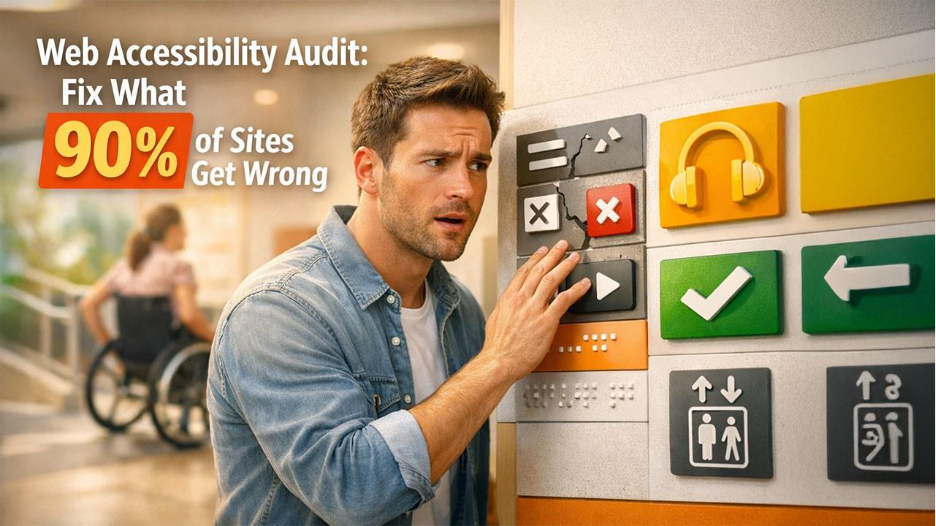
A complete website accessibility audit emphasizes on numerous facets of your website, involving:
- Navigation on Keyboard:
Making sure that all elements of interaction such as buttons and forms can be operated and accessed using a keyboard,is vital for users who cannot utilize a mouse.
- Visual Accessibility
Font size, color contrast, and the utilization of alternative text for videos and images are significant for users having visual impairments, including the ones who utilize screen readers.
- Content Readability
Simple and clear language and proper formatting of text can make a website accessible to users with cognitive disabilities, making it simpler for them to comprehend and navigate.
- Accessibility of Multimedia:
Providing transcripts and captions for videos and making sure that all multimedia content is accessible to individuals with hearing impairments is a significant focus area of accessibility audits.
- Mobile Accessibility
With an increasing number of users accessing websites through mobile devices, making sure that your website is accessible and mobile-friendly is vital.
Advantages of Conducting Web Accessibility Testing
- Recognizing and Fixing Barriers
The process of web accessibility testing aids in recognizing accessibility barriers may not be apparent immediately. Once it is identified, such issues can be addressed to make your website much more inclusive.
- Improving Reputation of Brand
Overall commitment to accessibility showcases social responsibility and can improve the reputation of your brand. Being observed as an inclusive business can enhance trust and customer loyalty.
- Remaining Ahead of Legal Needs:
Consistent audits of accessibility make sure that your website is compliant with evolving laws of accessibility, enabling you to avoid possible legal pitfalls.
- Long-Term Cost Savings
Focusing on accessibility problems early on in the development and design process is generally more cost-efficient than making retroactive modifications. Consistent audits can enable you to make sure that your website is compliant and free of expensive rework.
Conclusion
An audit of web accessibility is a vital step for any organization or business to want to make sure that its website is user-friendly inclusive for all visitors, including the ones with disabilities. Not only does it enable legal compliance, but it also improves SEO, user experience, and opens your website to a broader audience. By proactively addressing accessibility problems, you can develop a more inclusive and robust digital presence that equally caters to all audiences.
Through investment in web accessibility testing and ensuring required adjustments, your website will not only meet your regulatory needs but also stand apart as a user-focused and accessible platform.